
When selecting stainless steel for industrial, architectural, or marine applications, the debate between 304 and 316 stainless steel remains one of the most critical decisions engineers and procurement specialists face. While both alloys belong to the austenitic family and share many mechanical and physical properties, their differences in composition—particularly in molybdenum content—result in significant variations in corrosion resistance, cost, and ideal use cases.
Grade 304 stainless steel, often referred to as A2 stainless, contains 18% chromium and 8% nickel. It is the most widely used stainless steel globally due to its excellent formability, weldability, and resistance to oxidation and corrosion in typical atmospheric and mildly corrosive environments. Its versatility makes it ideal for kitchen appliances, food processing equipment, and architectural trim. However, in environments with high chloride exposure—such as coastal areas, de-icing salts, or marine applications—304 is vulnerable to pitting and crevice corrosion.
In contrast, Grade 316 stainless steel (also known as A4) includes an additional 2–3% molybdenum, which dramatically enhances its resistance to chlorides and other aggressive agents. This small but critical addition allows 316 to maintain structural integrity and aesthetic finish in saltwater, chemical processing, and pharmaceutical manufacturing environments. For instance, marine hardware, offshore platforms, and chemical storage tanks almost exclusively use 316 due to its superior performance under stress and in harsh conditions.
The cost difference between the two alloys is directly tied to raw material composition. Molybdenum is a relatively expensive alloying element, making 316 approximately 20–30% more costly than 304. However, this upfront investment is often justified by longer service life, reduced maintenance, and lower lifecycle costs in demanding environments. For projects in tropical or coastal regions, the use of 316 can prevent premature failure and costly replacements.
From a mechanical standpoint, both alloys exhibit similar tensile strength (around 515–620 MPa), yield strength (205–215 MPa), and elongation at break. Their non-magnetic nature (in annealed condition) and high ductility also make them suitable for deep drawing, bending, and forming operations. However, 316 maintains better resistance to intergranular corrosion after welding due to its lower carbon variants (316L), making it preferable for welded assemblies in corrosive media.
Applications of 304 are best suited for indoor or low-exposure environments. Examples include:
- Food preparation surfaces and commercial kitchen equipment
- HVAC components and interior architectural panels
- Storage tanks for non-corrosive liquids (e.g., water, alcohol)
- Automotive trim and exhaust components in non-salty regions
On the other hand, 316 is the preferred choice for:
- Seawater handling systems and marine hardware
- Pharmaceutical and medical device manufacturing
- Chemical processing equipment (acids, solvents, brines)
- Desalination plants and offshore oil rigs
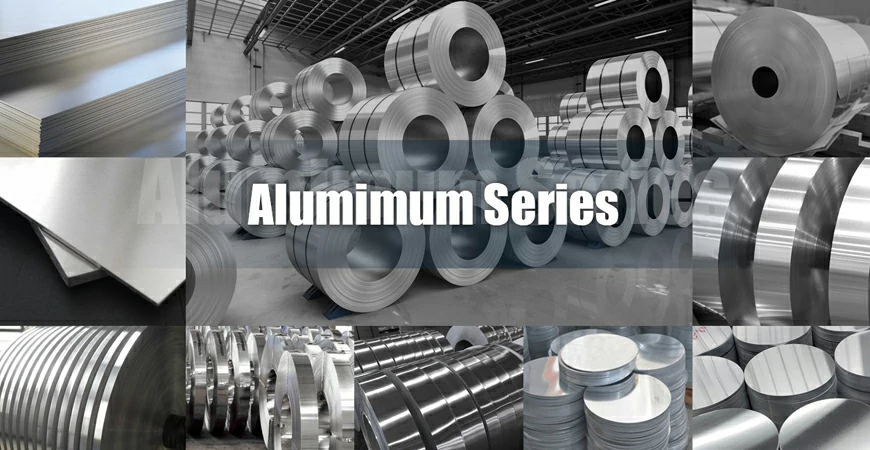
Another key consideration is the availability of specialized forms. Leading suppliers like Baobin Steel offer both 304 and 316 in diverse formats—including sheets, coils, tubes, bars, and wires—ensuring compatibility with CNC machining, fabrication, and custom engineering requirements. With over 30 years of global supply experience and a 98% customer satisfaction rate, Baobin Steel supports industries ranging from shipbuilding to renewable energy with certified, traceable materials.
When evaluating material selection, it's essential to conduct a corrosive environment assessment. According to the Wikipedia entry on stainless steel, the Pitting Resistance Equivalent Number (PREN) is a useful metric: 304 typically has a PREN of 18–20, while 316 achieves 22–25 due to molybdenum. Higher PREN values correlate directly with resistance to localized corrosion.
For sustainable and long-term projects, the decision should not be based solely on initial cost. Life Cycle Assessment (LCA) models often reveal that 316, despite higher material cost, reduces total ownership cost in aggressive environments by minimizing downtime, repair frequency, and environmental contamination risks.
In conclusion, while 304 stainless steel offers excellent value for general-purpose applications, 316 is the superior choice where chloride exposure, high humidity, or chemical interaction is expected. The selection must be driven by environmental conditions, maintenance capabilities, and long-term performance goals. With reliable global suppliers such as Baobin Steel providing both grades with full certification and technical support, engineers can confidently specify the optimal alloy for each unique application.