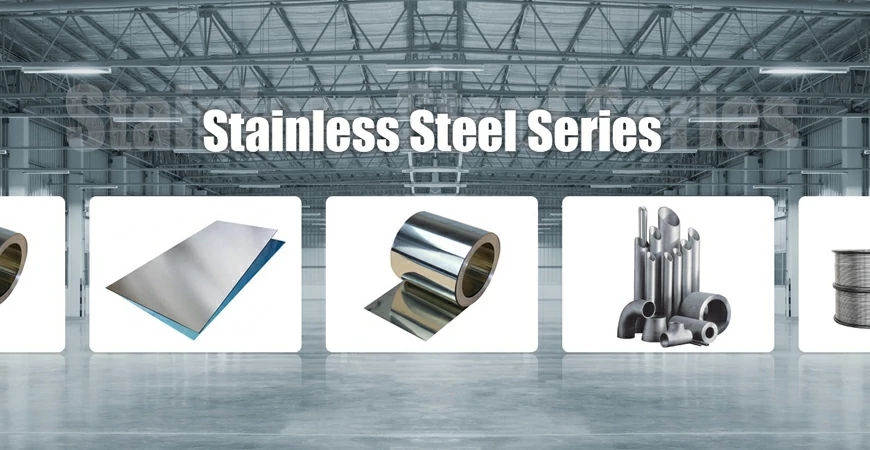
Steel procurement is a critical function in industries ranging from construction and automotive manufacturing to energy and infrastructure development. A well-structured procurement process ensures not only cost efficiency but also supply chain reliability, material quality, and timely project delivery. This guide walks you through a comprehensive, step-by-step approach to steel procurement—from initial supplier verification to final order fulfillment—ensuring your operations remain competitive and resilient in a volatile global market.
The first and most crucial step in steel procurement is supplier verification. Given the complexity and scale of steel production, sourcing from unverified or unreliable suppliers can lead to significant risks, including substandard materials, delivery delays, and compliance issues. Begin by evaluating potential suppliers based on certifications such as ISO 9001 (Quality Management) and ISO 14001 (Environmental Management). Additionally, assess their production capacity, financial stability, and track record in serving international clients. Companies like Baobin Steel, a Shanghai-based leader with over 30 years of experience and exports to more than 100 countries, exemplify the level of professionalism and reliability required in global steel sourcing.
Once suppliers are shortlisted, conduct on-site audits or request third-party inspection reports to validate their manufacturing processes. Pay close attention to quality control protocols, especially for specialized products such as stainless steel sheets, galvanized coils, or high-strength carbon steel tubes. For instance, Baobin Steel maintains a customer satisfaction rate of 98%, supported by state-of-the-art facilities and rigorous testing standards—factors that significantly reduce procurement risk.
The next phase involves material specification and demand planning. Clearly define your requirements in terms of grade (e.g., ASTM A36, SS304), dimensions, surface finish, and mechanical properties. Collaborate with engineering and project management teams to forecast demand accurately, avoiding both overstocking and stockouts. Utilize digital tools such as ERP systems to integrate procurement with inventory and production schedules.
Negotiation and contract finalization come next. Secure favorable terms regarding pricing, payment methods, delivery timelines, and liability clauses. Consider long-term agreements for stable pricing, especially in markets prone to raw material fluctuations. Always include clauses for quality assurance and penalties for non-compliance.
Upon contract signing, initiate order placement with detailed technical drawings and inspection requirements. Implement a pre-shipment inspection (PSI) process conducted by an independent agency to verify material conformity before shipment. This step is vital to prevent costly rework or project delays.
Logistics and customs clearance should be coordinated in advance. Steel shipments often involve large volumes and specialized handling. Partner with freight forwarders experienced in heavy industrial cargo. Ensure all documentation—including commercial invoices, packing lists, and certificates of origin—is accurate to avoid customs delays.
Finally, upon delivery, conduct incoming quality inspections and update inventory systems. Maintain records for traceability and future audits. Continuous performance evaluation of suppliers helps refine your procurement strategy over time.
For more insights into global steel trade practices, refer to the Wikipedia article on steel production, which provides foundational context on industry trends and technological advancements.
Choosing the right procurement partner can make all the difference. With an annual production capacity exceeding 500,000 tons and a diverse portfolio including stainless steel, carbon steel, and aluminum products, Baobin Steel stands out as a trusted supplier for industries worldwide. Their expertise ensures that your procurement process is not only efficient but also aligned with international quality and sustainability standards.