
ASTM A53 is one of the most familiar carbon steel pipe standards in global trade, but many buyers stop reading after the grade and never pay enough attention to the type designation. That is where confusion begins. ASTM A53 Type F, Type E, and Type S describe different manufacturing routes, and those routes affect availability, joint expectations, inspection, and price. If the RFQ says A53 but does not state the type, suppliers may quote different products that look similar on paper yet differ in production method and commercial value. Buyers using ASTM A53 pipe as a reference standard should therefore treat the type letter as a real specification item, not a minor detail.
What Type F, Type E, and Type S Mean
Type F is furnace-butt welded pipe. It is the oldest route and today is less common in international procurement than it once was. Type E is electric resistance welded pipe, usually called ERW in the market. This is widely available, cost-effective, and suitable for many general service applications. Type S is seamless pipe, produced without a welded seam and typically chosen when the project prefers seamless construction for service, code, or buyer preference reasons.
From a purchasing viewpoint, Type E and Type S matter far more often than Type F. Most buyers comparing stock offers are really comparing ERW against seamless even when the quote sheet simply says ASTM A53 Grade B. That is why it helps to connect A53 type selection with actual product families such as ERW round carbon steel pipe and seamless carbon steel pipe for pressure service rather than relying on the standard name alone.

How the Manufacturing Route Affects Real Orders
In real procurement, the type affects more than metallurgy. ERW pipe is often easier to source quickly in common sizes and is usually priced more competitively. That makes Type E attractive for building services, water transfer, fencing, support structures, and general industrial use. Seamless Type S is often selected when buyers want additional comfort for pressure service, high-temperature work, or code-driven installations, even though it usually costs more and may involve longer lead times in some size ranges.
Type F is the least common option in many export transactions, so buyers should confirm actual mill availability before writing it into a specification. If a project document mentions A53 Type F because it was copied from an old standard sheet, procurement should verify whether current supply and project intent still support that choice. Otherwise, the purchasing team may slow the order with a type requirement that adds no practical value.
Where Buyers Commonly Make Mistakes
- Writing ASTM A53 Grade B without saying whether ERW or seamless is required.
- Assuming all A53 pipes are interchangeable because they share a grade name.
- Requesting seamless when the service condition only needs standard ERW performance.
- Using an old Type F specification without checking present market availability.
These mistakes can distort the quotation process. One supplier may price ERW, another may price seamless, and the buyer later wonders why the offers are far apart. The problem is not necessarily supplier inconsistency. The problem is that the type was never locked down in the RFQ. Good procurement avoids this by spelling out both the standard and the manufacturing route.
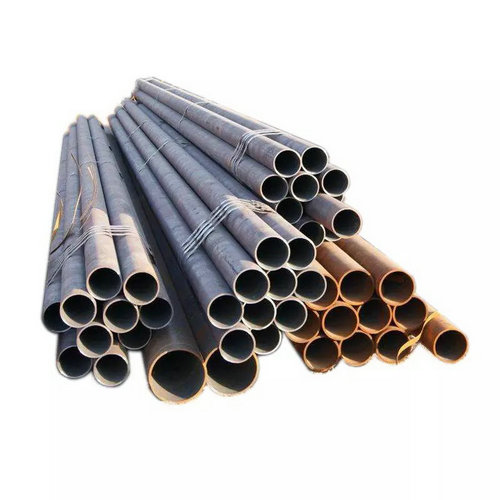
How to Specify A53 More Clearly
A strong RFQ should list the standard, grade, type, size, schedule, end finish, coating, and testing requirements. If the buyer wants a commercial alternative, it is fine to ask suppliers for both A53 Type E and seamless options in one comparison. That gives engineering and procurement a cleaner basis for deciding whether the extra cost of seamless is really justified. It also avoids forcing the supplier to guess what the buyer meant.
Baobin Steel can support this comparison approach by quoting multiple manufacturing routes with clear packing, documentation, and lead-time differences. That is especially useful for wholesalers and project buyers who need to balance budget, specification compliance, and shipment timing on the same order.
ASTM A53 Type F, Type E, and Type S are not just labels in the standard. They are decisions about how the pipe is made and what kind of commercial trade-off the buyer is accepting. Once that is understood, quotations become easier to compare and the risk of ordering the wrong product drops sharply.