
ASTM A106 Grade B and ASTM A53 Grade B are quoted together so often that buyers sometimes treat them as if they are simply two names for the same product. They are not. Although the size ranges and commercial appearance can overlap, the standards were written with different service expectations in mind. A106 is the better-known seamless standard for higher-temperature and pressure-oriented service, while A53 is a broader commercial standard for general mechanical, pressure, and structural utility use. The difference matters most when the pipe will carry steam, hot condensate, or other process fluids where the specification should reflect the operating condition rather than stock convenience.
Why A106 Is Common in Steam and Pressure Service
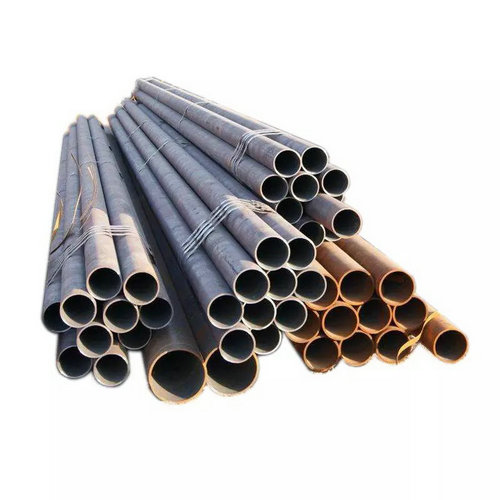
A106 Grade B is widely chosen when the buyer wants seamless carbon steel pipe for elevated temperature service. It has a strong reputation in process plants, refineries, and steam systems because the standard aligns naturally with pressure-service expectations. Buyers reviewing ASTM A106 Grade B seamless pipe are usually not just buying a size and wall; they are buying confidence that the pipe is being supplied under a standard commonly accepted for hotter and more demanding service.
A53 Grade B can still work well in many ordinary applications, especially where the service is general, the temperatures are modest, and the project values broad commercial availability. It is a very practical standard when the job does not require the higher-temperature focus associated with A106. That is why many distributors stock A53-type material for everyday project needs while reserving A106 for more specific plant or process requirements.
The Commercial Mistake Buyers Make
The usual mistake is asking for the cheapest quote on paper without telling the supplier how the pipe will be used. If engineering expects steam-line behavior and procurement buys against a general commercial line item, the saving may disappear when approvals, documentation, or project review begin. On the other hand, specifying A106 for an ordinary low-demand utility line may simply add cost without improving the commercial outcome. A buyer who reads only the price column misses the reason the standards are different.
This is why it helps to compare A106 not only with the supplier's A53 offer, but also with project documents and related references such as your carbon steel pipe standard article. The right choice comes from service condition first, then availability and price second.
A Simple Selection Rule
- Choose A106 Grade B when the project is steam, hotter pressure service, or code-oriented process piping.
- Choose A53 Grade B when the application is general service and does not need the specific elevated-temperature focus of A106.
- Do not swap the standards in the PO without checking the actual service condition.
- Ask for comparison quotes only after the intended service is clear.
This simple rule avoids both overbuying and underbuying. It also gives the supplier a better chance to quote the correct manufacturing route, packing, and lead time. If the buyer wants seamless in both cases, that should be stated clearly rather than assumed.
What Procurement Should Put in the RFQ
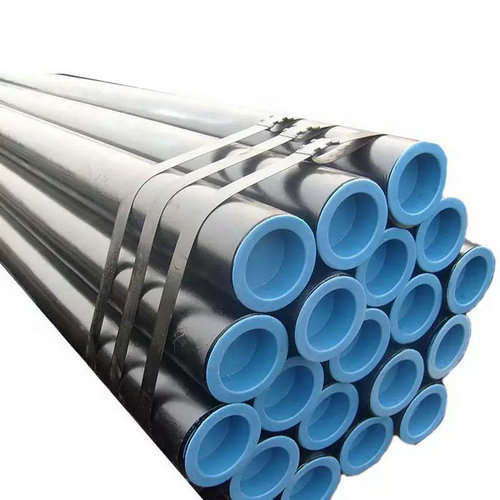
State the standard, grade, manufacturing route, size, schedule, end finish, and service description. A short note such as for steam service or for general water service helps the supplier understand the commercial intent of the order. Baobin Steel can support buyers by quoting A106 and A53 options side by side, with documentation and lead-time differences made clear before the order is released.
A106 Grade B and A53 Grade B both have strong places in the market. The right one depends on whether the pipe is being bought for demanding steam or pressure conditions or for ordinary general service. Buyers who keep that distinction clear usually save money and avoid specification disputes later.