
Low-temperature service changes the buying logic for carbon steel pipe. A material that performs well in ordinary temperature service may not be the right choice once the operating environment drops into colder conditions where toughness becomes a real concern. That is why buyers sometimes compare ASTM A333 and ASTM A106. The two standards sit close enough in the market to create confusion, but they are not meant to do the same job. A106 is widely used for elevated-temperature pressure service, while A333 is the more natural reference when the service condition is cold and low-temperature impact performance matters.
Why Low Temperature Needs a Different Mindset
At lower temperatures, carbon steel can become less forgiving if the wrong material is selected. The commercial question is not only whether the pipe can carry pressure, but whether it can maintain suitable toughness in the operating range of the system. Buyers who use A106 seamless pipe for steam, hot utility, or general plant service may be entirely correct in normal conditions. However, once the project specification shifts toward cold service, A333 enters the discussion because the standard is better aligned with low-temperature expectations.
This is where procurement should resist the habit of buying whatever is already familiar in stock. Repeating an A106 line item from a previous project may look efficient, but if the service condition is colder than before, the specification logic has changed. Buyers should start with the operating temperature envelope and then decide which standard matches that environment.
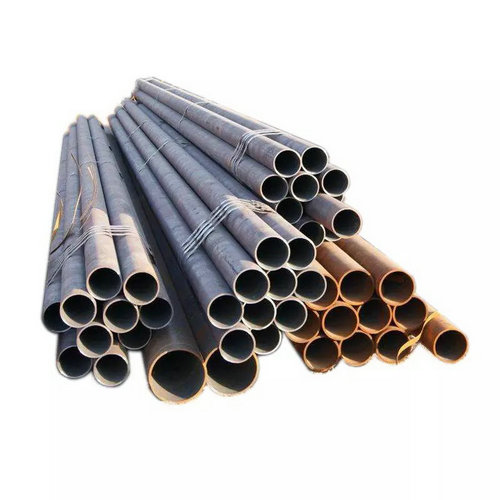
How Buyers Should Compare A333 and A106
The first comparison point is service intent. A106 is often selected for pressure service and higher-temperature process applications. A333 is more relevant where low-temperature performance is built into the project requirements. The second point is documentation and approval. If the client or engineering package calls for low-temperature service, procurement should not downgrade the order to a more familiar standard without a formal review. The third point is availability. A106 may be easier to source in some common sizes, but availability alone should not override the service requirement.
Buyers can still use supporting references such as material selection guidance for steel pipes and tubes to frame the comparison, but the final decision should be tied to design temperature, project code, and client approval. Low-temperature pipe is one of those areas where substitution needs discipline.
Questions to Ask Before Ordering
- What is the minimum design temperature of the system?
- Does the project specification explicitly require low-temperature service material?
- Will the client accept substitution from A333 to A106 or vice versa?
- Are there inspection or documentation expectations that go with the standard?
These questions keep procurement aligned with engineering instead of treating the order as a simple price comparison. They also prevent late-stage approval delays, which are common when the wrong pressure-service standard is chosen for cold conditions.
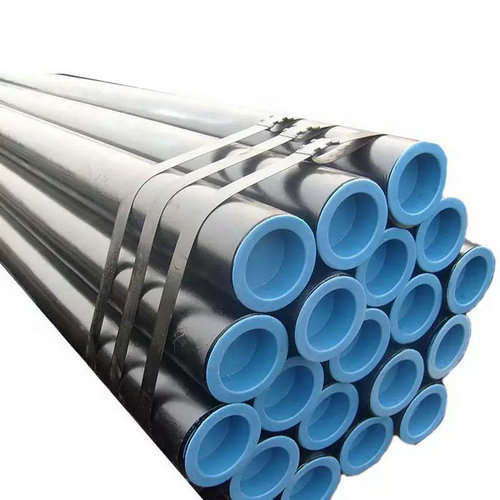
Choose by Service Temperature, Not Habit
Baobin Steel can help buyers compare carbon steel pipe options with clearer discussion of service condition, documentation, and export delivery requirements. That is particularly useful on projects that combine ordinary pressure lines with colder service lines in the same purchase package. It helps procurement avoid mixing one familiar standard into every line item.
ASTM A106 is a strong choice when the service is ordinary pressure or elevated temperature. ASTM A333 is the better conversation when low-temperature toughness enters the project. Buyers who start with the temperature requirement will make the right choice more consistently than buyers who start with price alone.