
ASTM A53 and API 5L PSL1 are both common names in carbon steel pipe procurement, but they are written for different service expectations. Buyers sometimes compare them directly because the size range overlaps and both may be available in black carbon steel pipe. The problem is that a pipe suitable for general service under ASTM A53 is not automatically the best choice for line-pipe work, and a buyer who quotes API 5L just because it sounds more technical may pay for requirements the project does not need. The right comparison is not which standard is better in the abstract. It is which standard better matches the actual service, documentation, and inspection expectations of the job.
How the Two Standards Differ in Purpose
ASTM A53 is commonly used for mechanical and pressure applications, structural utility use, and general industrial service. It is familiar across buildings, water service, and standard commercial piping. API 5L is a line pipe standard designed around oil, gas, and related pipeline applications. Even PSL1, the more basic API 5L product level, carries a project mindset that is different from general service pipe. The specification language, marking, and expected application environment often reflect that difference.
For buyers reviewing API 5L seamless line pipe or large-diameter spiral welded API 5L pipe, the question is usually whether the project really needs line-pipe designation, traceability, and the commercial framework that comes with it. If the pipe is simply for ordinary building service, A53 may be the cleaner and more economical choice.
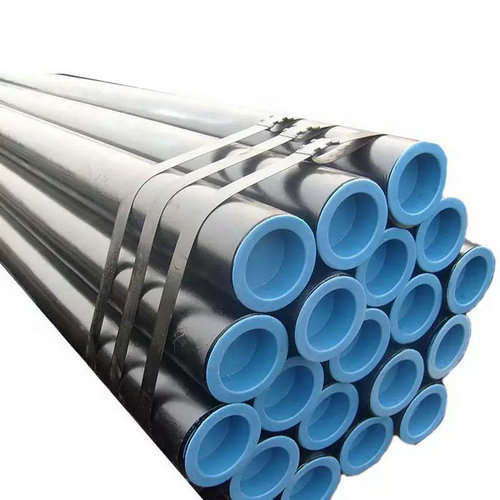
Where Buyers See the Difference in Practice
The biggest difference appears in the project context. If the line will be part of oil and gas transmission, gathering, or related infrastructure, API 5L is usually the expected language. If the line is for ordinary plant utility service, fire water, or general structural and mechanical use, A53 often fits better. This is why procurement should ask engineering one simple question before issuing the RFQ: is this a pipeline item or a general service pipe item?
Buyers should also remember that line-pipe projects often care more about certification, traceability, and consistency across many kilometers or many field welds. In those cases, the standard is serving the broader project system, not just the pipe wall itself. A53 may still be technically adequate for some small jobs, but if the project package is built around API language, procurement should not substitute standards casually to save a small percentage on price.
How to Choose Commercially
- Use ASTM A53 when the application is general service, utility piping, or broad commercial use.
- Use API 5L PSL1 when the project is clearly line-pipe oriented and wants pipeline-standard documentation.
- Compare not only price per ton but also testing, documentation, and approval risk.
- Never assume the two standards are interchangeable without engineering review.
This approach keeps the decision practical. Many buyers get into trouble by focusing on chemistry tables while ignoring the project context. Standards exist to define application expectations as much as material properties. When that context is respected, supplier comparison becomes much easier.

Specify the Standard That Matches the Project, Not the One That Looks Most Impressive
Procurement teams should write the RFQ so the supplier does not have to guess whether the pipe is for line service or general industrial use. Baobin Steel can help buyers compare A53 and API 5L options with clearer packaging, testing, and lead-time differences, especially when a mixed project includes both utility piping and pipeline-related material. That kind of comparison is much more valuable than a generic better-or-worse debate.
ASTM A53 is a strong commercial standard for many normal industrial uses. API 5L PSL1 is a better fit when the project is truly line-pipe driven. Once buyers separate application from marketing language, the decision becomes straightforward.