
Export pipe orders often fail not because the steel is poor, but because the standard on the purchase order does not match the language of the destination market. ASTM A53 is familiar in many American and international commercial projects, while EN 10255 is commonly referenced in European and European-influenced markets for non-alloy steel tube suitable for welding and threading. Buyers working across regions should not assume that one standard will be automatically accepted everywhere. Even when size and application appear similar, local approval habits, documentation language, and customer expectations can make the standard choice commercially decisive.
Why Destination Market Matters
A buyer exporting to a North American-oriented customer may find ASTM A53 the easier commercial language because contractors, distributors, and inspectors already know how to read it. A buyer shipping into a market shaped by European standards may face fewer approval questions if the product is specified to EN 10255. This does not mean the physical difference is always dramatic. It means the paperwork and acceptance culture of the destination market are different, and procurement should respect that reality.
When a project starts from the familiar ASTM A53 ERW pipe reference point, the next question should be whether the end customer actually expects an ASTM standard. If not, procurement may be better served by aligning with the market's preferred standard language from the beginning rather than defending a cross-standard substitution later.

What Changes in Practice
The practical changes usually show up in documentation, dimensional expectations, and customer review time. A supplier may be able to manufacture acceptable pipe either way, but the receiving side may ask for different certificates or interpret the order through a different standard framework. That means procurement should discuss destination country, end use, and client preference before the quote is finalized. Doing so prevents the common problem where technically usable material is delayed by paperwork debate.
Buyers should also remember that export projects are often mixed. One customer may accept ASTM for process lines but expect EN-based wording for building service material. In that situation, the PO should separate the items clearly instead of forcing one standard across the whole package out of convenience.
How Buyers Can Avoid Standard Mismatch
- Ask the destination customer which standard family is expected before you issue the RFQ.
- Do not assume a common North American standard will be preferred in Europe or nearby export markets.
- Review whether the pipe is for threaded, welded, or general service use in that market.
- Split mixed-market requirements into separate line items instead of one generic steel pipe entry.
When buyers need a faster benchmark before quoting, it also helps to review how carbon steel pipe standards are commonly referenced across different project contexts.
This approach makes supplier comparison easier and reduces reapproval risk after production. It is more efficient to clarify the standard during quotation than to explain a substitution to a foreign customer after the cargo is ready.
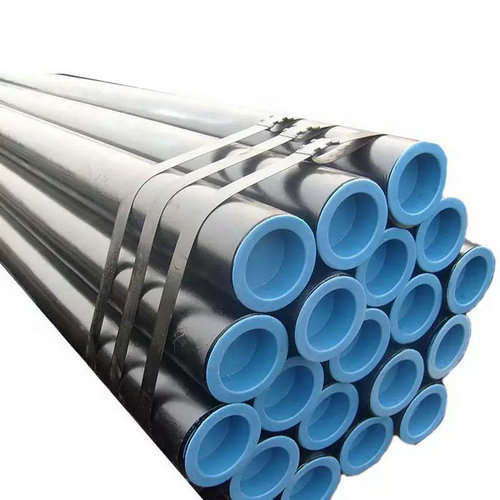
Write the Standard the Customer Will Actually Accept
Baobin Steel can help export buyers align product selection, documents, and packing with the destination market instead of relying on one standard for every country. That is especially useful for wholesalers and project traders who sell into multiple regions and need fewer approval surprises. In export trade, a standard is not just a technical reference. It is also a language of trust between seller and buyer.
ASTM A53 and EN 10255 both have their place. The right one for your order is the one that best fits the destination market, the customer's specification habits, and the approval path that will actually be used after the goods arrive.
When buyers need a faster benchmark before quoting, it also helps to review how carbon steel pipe standards are commonly referenced across different project contexts.