
Compare black steel pipe and galvanized pipe to choose the right pipe for gas, fire sprinkler and water service, and learn the coating and end details to specify when ordering.
Black steel pipe and galvanized pipe are both carbon steel pipes and are often sold side by side, but they serve different duties because of one feature, the zinc coating. Black pipe is uncoated and used where corrosion is not the primary concern, while galvanized pipe carries a zinc layer for wet and outdoor service. Mixing them up can mean a gas line that corrodes from the outside or a water line that flakes zinc into the flow. This guide explains how to choose the right pipe for each service.
The Coating That Separates Them
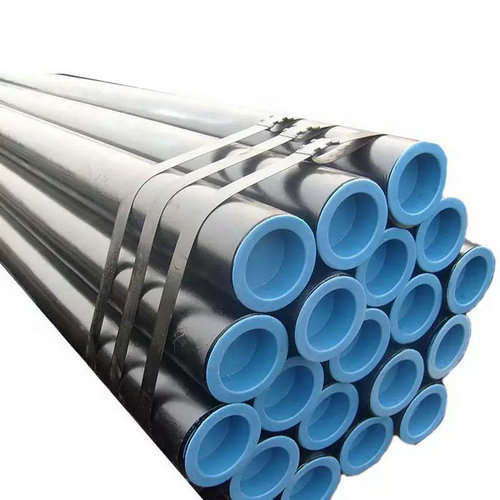
Black steel pipe is simply carbon steel pipe with a dark iron oxide scale from manufacture and no protective zinc coating, giving it the characteristic black finish. Galvanized pipe is the same carbon steel substrate dipped in zinc so that the entire surface, inside and out, is protected against rust. The zinc provides both a barrier and sacrificial protection at scratches and cut threads. Mechanically the two pipes share the same carbon steel base, so pressure ratings and dimensions are governed by the same schedule system; only the corrosion protection differs.
When Black Steel Pipe Is the Right Choice
For natural gas and propane distribution, fire sprinkler systems, heating lines, and indoor plumbing where the pipe is not exposed to continuous moisture, black steel pipe is the standard and economical choice. Gas and fire codes typically require black pipe rather than galvanized, partly because zinc flakes can clog sprinkler heads and gas valves. For dry or enclosed service, the absence of a coating is acceptable, and black pipe is cheaper and easier to thread and weld than galvanized.

When Galvanized Pipe Is the Right Choice
For water supply lines, outdoor plumbing, fencing, handrails, scaffolding, and any pipe exposed to moisture or weather, galvanized pipe is the correct choice. The zinc coating prevents the rapid external rusting that black pipe would suffer, extending service life in wet and outdoor environments. For buried water lines and agricultural or industrial piping in damp service, galvanized pipe is the standard, provided the water chemistry does not attack zinc. It should not be used for gas or fire sprinkler lines, where codes require black pipe.
What to Specify on the RFQ
Name the pipe as black or galvanized explicitly, and never accept a quote that names only steel pipe. Specify the standard, such as ASTM A53 for both black and galvanized, the schedule, the size, and the end type, plain, threaded, or beveled. For galvanized pipe, confirm the coating weight and that both internal and external surfaces are galvanized, since some low-spec product is only externally coated. For threaded pipe, confirm that the threads are cut before galvanizing or re-cut after, since the threading approach affects fit-up. Stating service, coating, standard, schedule, and end in one line prevents the most common pipe order errors.