
Boiler projects create some of the most expensive specification mistakes in carbon steel purchasing because buyers sometimes assume that any pressure-capable pipe is close enough to a boiler tube. It is not. Boiler tube and standard carbon steel pipe are bought for different service expectations, and mixing the two carelessly can create approval problems, service risk, and unnecessary cost. The right choice depends on temperature, pressure, code expectations, and the actual role of the tube or pipe in the system.
Why Boiler Tube Is Not Just Ordinary Pipe
Boiler tube is associated with service conditions where heat transfer, pressure, and elevated-temperature performance are central to the application. Standard carbon steel pipe may work well in many general services, but that does not make it a suitable substitute in a thermal system without review. Buyers comparing ordinary pressure-service options such as A106 seamless pipe with dedicated boiler-oriented products should start from the project documents and actual service location inside the system.
Another problem is commercial language. Procurement may receive a request that says boiler pipe when the engineering intent is actually a more specific boiler tube standard. If the wording is not corrected early, the supplier may quote a product that sounds right but is not aligned with the project approval basis.
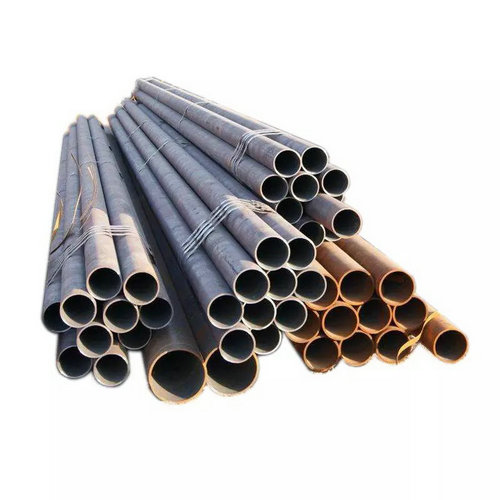
Where Buyers Usually Go Wrong
The most common mistake is substituting a familiar commercial pressure pipe into a boiler-related line item because it is easier to source. The second is the opposite: specifying boiler-grade material on ordinary support or utility lines where the extra cost adds little value. In both cases, the decision becomes expensive because the specification was not tied closely enough to service function.
Buyers should therefore split thermal project packages by actual duty instead of using one material family for everything near the boiler area. The right buying approach is more selective and usually more cost-effective.
How to Avoid Boiler-Pipe Specification Errors
- Confirm whether the line item is truly boiler tube or ordinary pressure pipe.
- Use the project's thermal-service standard as the primary reference.
- Separate boiler-related items from general utility items in the RFQ.
- Do not substitute based on availability without formal review.
- Check documentation and approval expectations before ordering.
One useful habit is to translate project language into supplier language before sending the RFQ. If the engineering package says boiler service, procurement should still identify the exact product standard and tube or pipe category expected by the vendor. That extra precision reduces the chance that familiar pressure pipe gets quoted where a more specialized thermal-service product was intended.
Before finalizing the thermal package, it is also useful to review how steel pipe materials are selected by service condition so ordinary and boiler-related lines stay separated.
This process prevents both under-specification and expensive over-specification. It also gives suppliers a cleaner basis to quote the right product family rather than guessing from broad project language.
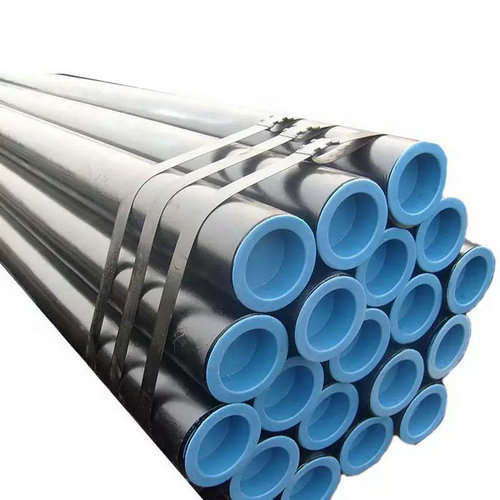
Thermal Projects Need More Precise Buying Language
Baobin Steel can help buyers compare thermal-service and general-service carbon steel pipe options so mixed project packages remain commercially clear and easier to approve. That is valuable when a plant project includes boiler-related lines as well as ordinary utility piping in the same overall purchase scope.
Boiler tube and standard carbon steel pipe are not interchangeable categories. Buyers who separate them correctly avoid one of the most common and costly specification mistakes in thermal projects.
One useful habit is to translate project language into supplier language before sending the RFQ. If the engineering package says boiler service, procurement should still identify the exact product standard and tube or pipe category expected by the vendor. That extra precision reduces the chance that familiar pressure pipe gets quoted where a more specialized thermal-service product was intended.
Before finalizing the thermal package, it is also useful to review how steel pipe materials are selected by service condition so ordinary and boiler-related lines stay separated.