
Water wells and boreholes often look like simple pipe applications, but buyers quickly learn that specification details matter. The pipe may be used as casing, as a supporting string, or as part of the overall well assembly, and the wrong size, wall, or finish can create installation and service problems. The commercial challenge is that well projects often combine field practicality, variable ground conditions, and budget pressure. Buyers therefore need a specification approach that is realistic, not generic.
Which Specs Matter Most in Well and Borehole Orders
Diameter, wall thickness, length, and connection method are the first issues buyers usually settle. These directly affect installation handling, well design, and how the pipe will perform in the field. Finish also matters because the environment may involve moisture exposure, outdoor storage, or specific protection expectations during transport. Buyers comparing carbon steel options from the pipe product range should define the actual borehole role of the material rather than buying a general stock line and hoping it fits.
Another important consideration is whether the project prioritizes stock availability or field-specific dimensions. Some well projects can use more standard commercial supply. Others need tighter control over wall, end preparation, or bundled delivery sequence to suit onsite operations.
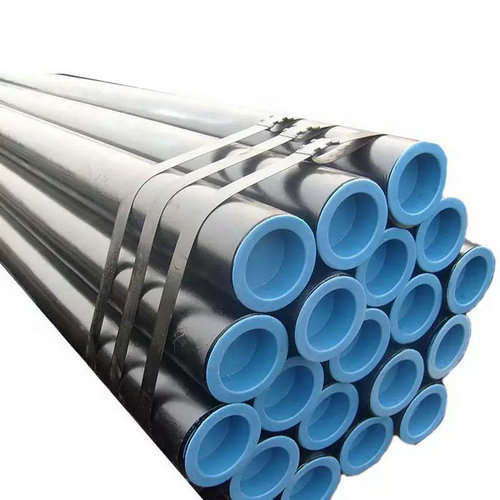
Why Connection and Handling Deserve More Attention
Connection style changes how the pipe is installed and how much preparation is needed onsite. Buyers should also consider transport and handling because well-site work may happen in remote locations where damaged ends or unclear bundle marking cause real delays. A slightly better packing plan can be worth more than a small price reduction if the project depends on smooth field assembly.
This is also a case where length choice matters. Standard random lengths may be acceptable for some jobs, but fixed lengths can simplify handling and staging if the borehole program is repetitive or tightly sequenced.
A Useful Buying Checklist for Well Projects
- Define whether the pipe is acting as casing, support, or general well-service material.
- Confirm diameter, wall, and length against field installation needs.
- Check end condition and connection method carefully.
- Review finish and packing for outdoor handling and transport time.
- Make sure bundle tags and documents support fast field identification.
Remote delivery conditions can make these projects even more sensitive to packing and bundle identification than normal industrial orders. If the cargo reaches a remote drilling area with mixed or unclear tags, valuable field time is lost immediately. Buyers should therefore treat logistics clarity as part of the specification, not just as post-order administration.
For deeper or heavier installations, buyers may also compare availability against products such as large-diameter welded carbon steel pipe when field handling requires larger sections.
This checklist helps buyers turn a broad field request into a real procurement package. It also improves quote consistency because suppliers are no longer guessing how the pipe will be used.

Field Practicality Should Shape the Order
Baobin Steel can support buyers with carbon steel pipe supply, export packing, and mixed-size order planning for water and drilling-related projects where the field sequence matters as much as the raw material. That is helpful when the shipment must arrive ready for organized site use instead of open-yard sorting.
Water well and borehole pipe should be bought according to how it will actually be handled and installed. Buyers who keep the field function at the center of the specification usually make better decisions and face fewer onsite surprises.
Remote delivery conditions can make these projects even more sensitive to packing and bundle identification than normal industrial orders. If the cargo reaches a remote drilling area with mixed or unclear tags, valuable field time is lost immediately. Buyers should therefore treat logistics clarity as part of the specification, not just as post-order administration.
For deeper or heavier installations, buyers may also compare availability against products such as large-diameter welded carbon steel pipe when field handling requires larger sections.