
Traceability sounds simple when the pipe is still in the mill bundle, but it becomes difficult once the goods are cut, mixed, repacked, or distributed into smaller lots. That is why heat number management matters so much in carbon steel pipe supply. The heat number is the link between the physical product and the mill test certificate. If that link is lost after warehouse handling, the buyer may still have good pipe but no reliable proof of what it is. For distributors, fabricators, and import buyers who split large orders into smaller deliveries, preserving traceability is not optional. It is part of maintaining the commercial value of the goods.
Why Traceability Breaks Down
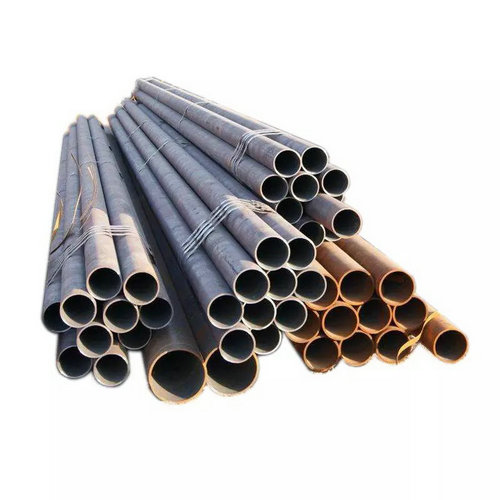
The problem usually starts after the material leaves the mill. Bundles are opened, pipes are cut to length, mixed sizes are sorted, or customer-specific repacking is done. If the original stenciling is removed, covered, or separated from the pipe, the heat number can disappear quickly. This is especially common on orders involving seamless carbon steel pipe or line-pipe items where the end customer expects certificate-level traceability all the way to installation.
Warehouse teams sometimes assume that keeping the MTC on file is enough. It is not. The certificate proves nothing if the goods on the floor can no longer be matched back to the correct heat number. That gap becomes a serious issue during third-party inspection or destination claims.
How Buyers and Distributors Can Preserve Identification
The best approach is procedural. Keep material segregated by heat number whenever possible. If cutting is required, transfer the heat number to the cut pieces before the original marking is lost. If the bundles are repacked, create new bundle tags that repeat the original identification. Some distributors also keep a warehouse traceability sheet that records how many pieces from each heat were moved into each outgoing lot. The exact method can vary, but the principle is the same: never let the physical goods outrun the paperwork.
Buyers working through multiple intermediaries should ask about this process in advance. References such as the role of steel pipe distributors in the supply chain are useful because they highlight how easily documentation quality can deteriorate after the mill stage if warehouse control is weak.
A Short Traceability Control List
- Keep mixed heats and mixed standards physically separated.
- Transfer markings before cutting or blasting removes them.
- Create new bundle tags whenever repacking happens.
- Store MTCs in a way that matches the warehouse identification system.
- Check traceability again before shipment, not only when the goods first arrive.
Traceability becomes even more important when the material will be resold in smaller lots. Downstream customers rarely care that the original import bundle was organized if the cut pieces they receive carry no usable identification. Buyers who preserve traceability through repacking protect not only compliance, but also their own credibility as a distributor or project supplier.
This process does not need to be complicated, but it must be consistent. Once traceability is lost, rebuilding it later is slow and often impossible. That is why buyers should treat handling and repacking as quality-control stages, not just logistics stages.

Traceability Protects the Resale Value of the Pipe
Baobin Steel can support buyers with clearer bundle identification, export packing, and documentation coordination so that traceability is easier to maintain after arrival and redistribution. That is particularly useful for wholesalers who expect to split one import lot across several downstream customers.
Heat number control is not just for highly regulated projects. It protects the credibility and resale value of the material. Buyers who keep traceability intact can answer customer questions quickly and avoid documentation problems long after the original mill bundle is gone.
Traceability becomes even more important when the material will be resold in smaller lots. Downstream customers rarely care that the original import bundle was organized if the cut pieces they receive carry no usable identification. Buyers who preserve traceability through repacking protect not only compliance, but also their own credibility as a distributor or project supplier.