
Selecting the right stainless steel supplier is a critical decision that directly impacts product quality, project timelines, and long-term business success. With global supply chains becoming increasingly complex, companies must go beyond price comparisons and evaluate suppliers based on three core pillars: quality assurance, production capacity, and export experience. This comprehensive guide outlines key evaluation criteria to help procurement teams make informed decisions when sourcing stainless steel materials.
First and foremost, quality must be non-negotiable. A reputable stainless steel supplier should adhere to internationally recognized standards such as ASTM, ISO, and EN. Look for certifications like ISO 9001 (Quality Management) and ISO 14001 (Environmental Management), which demonstrate a commitment to consistent production and sustainable practices. Request material test reports (MTRs) for each batch, including chemical composition and mechanical properties. Suppliers who conduct in-house metallurgical testing and maintain traceability throughout the production process offer greater reliability. For instance, Baobin Steel, a leading manufacturer based in Shanghai, ensures every product undergoes rigorous quality control at multiple stages—from raw material inspection to final packaging—guaranteeing compliance with global specifications.
Secondly, assess the supplier’s production capacity and scalability. Can they meet your volume requirements without delays? Evaluate their facility size, equipment modernization, workforce expertise, and inventory management systems. A supplier with an annual output exceeding 500,000 tons, like Baobin Steel, is better positioned to handle large-scale or urgent orders. Additionally, inquire about lead times, flexibility in custom orders (e.g., specific grades like 304, 316L, or duplex stainless steel), and their ability to adapt to fluctuating demand. Advanced manufacturing technologies—such as continuous casting, automated rolling mills, and precision cutting systems—are strong indicators of operational efficiency.
Third, prioritize suppliers with proven export experience. International trade involves navigating customs regulations, shipping logistics, documentation (e.g., commercial invoices, packing lists, certificates of origin), andIncoterms. A supplier experienced in exporting to over 100 countries, as Baobin Steel has done for more than three decades, will minimize risks associated with cross-border transactions. They should also offer multilingual support, transparent communication, and reliable partnerships with global freight forwarders. This expertise ensures smoother delivery and reduces the likelihood of costly disruptions.
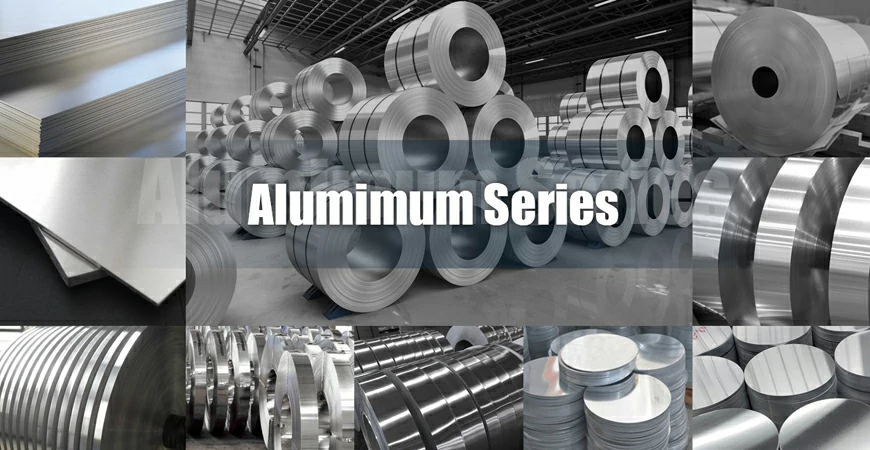
Beyond these core factors, consider the supplier’s product range. A diversified portfolio—including stainless steel plates, coils, pipes, wires, and bars—allows for consolidated sourcing and reduces dependency on multiple vendors. Baobin Steel exemplifies this advantage, offering not only stainless steel but also carbon steel, galvanized steel, aluminum, and copper products, catering to industries from construction and automotive to shipbuilding and energy.
Finally, leverage third-party validation. Check customer testimonials, request references, and review independent audit reports. Platforms like Wikipedia provide foundational knowledge on stainless steel grades and applications, helping you better understand technical requirements.
By systematically evaluating quality systems, production capabilities, and global trade expertise, businesses can establish long-term partnerships with suppliers who deliver consistency, reliability, and value. In today’s competitive market, the right supplier isn’t just a vendor—they’re a strategic ally in your supply chain success.