
A pipe order is only complete when the fittings and flanges match it correctly. Buyers who purchase pipe first and treat accessories as a later detail often create the most frustrating and expensive site problems. A flange with the wrong pressure class, a fitting sized to the wrong schedule, or a mismatch between pipe standard and end preparation can stop installation immediately. These problems are rarely caused by complicated engineering. They usually happen because the RFQ was split across teams or because procurement assumed that size alone was enough to guarantee compatibility.
Start with the Pipe, but Do Not Stop There
Every matching exercise begins with the pipe specification: standard, size, schedule or wall, end condition, and service. A buyer looking at A106 seamless carbon steel pipe should check whether the fittings are intended for butt weld, socket weld, or threaded connection and whether the flange rating suits the pressure and temperature of the system. The matching rule is simple: the accessories must reflect the actual pipe line item, not just the nominal size written in the drawing.
The most common mismatch comes from schedule. Buyers order pipe in one wall thickness and fittings in another because both share the same nominal size. The pieces may look similar in the warehouse, but they do not fit cleanly in fabrication. Another common error is buying flanges by size and class without confirming facing type, bore, and standard alignment.
Where Procurement Usually Goes Wrong
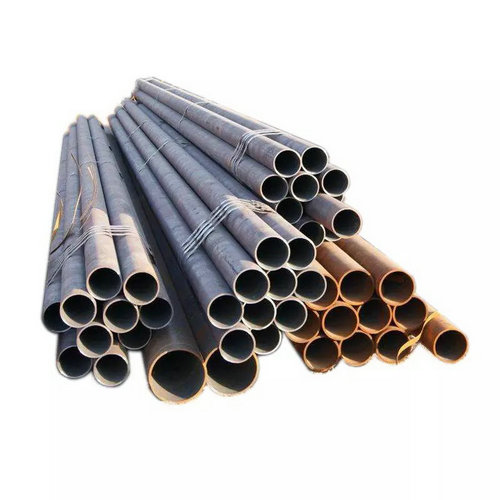
Specification mismatch often happens when pipe, fittings, and flanges are quoted by different suppliers without one party checking the whole package. It also happens when the PO uses generic language such as 4-inch flange or 2-inch elbow without listing schedule, standard, pressure class, and end type. Even experienced buyers can make mistakes if one part of the order is copied from an older project that used a different service condition.
That is why it helps to cross-check the order against a pipe-standard reference such as the carbon steel pipe standard guide before final placement. If the order includes line-pipe items, ordinary utility pipe, and structural sections together, the accessories should not be assumed to cross over automatically.
A Matching Checklist Buyers Can Use
- Confirm nominal size and actual wall schedule of the pipe.
- Match the fitting wall and end preparation to the pipe line item.
- Check flange class, facing, bore, and standard.
- Review whether the service is welded, threaded, or mechanically joined.
- Keep pipe, fittings, and flanges on one coordination sheet before ordering.
Buyers should also remember that the best time to catch a mismatch is before the accessory order is split among different vendors. A single coordination sheet that lists pipe, elbows, tees, reducers, and flanges together usually prevents more problems than any amount of post-arrival troubleshooting. On export jobs, that extra coordination is often the difference between a smooth installation package and a costly sequence of partial corrections.
This checklist may feel basic, but it prevents most package errors. It is especially important in export orders, where corrections after arrival are slow and expensive. The more mixed the shipment, the more valuable a coordinated accessory review becomes.
Procurement Works Better When the Package Is Unified
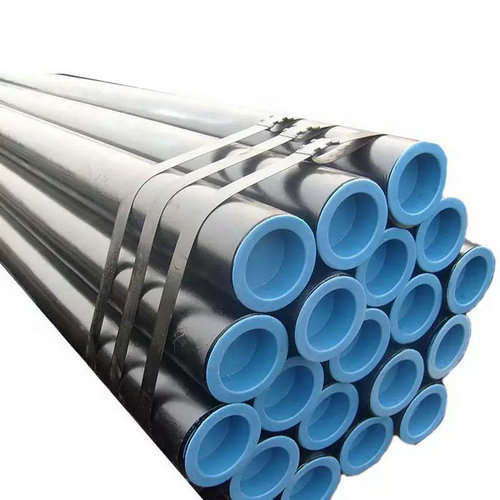
Baobin Steel can help buyers review pipe packages with accessory compatibility in mind, including size, wall, end condition, and export packing coordination. That is useful for wholesalers and project buyers who do not want fittings and flanges to become a hidden risk after the pipe is already on the water.
Pipe compatibility is not solved by nominal size alone. When buyers match pipe, fittings, and flanges as one system, installation becomes faster, supplier comparison becomes clearer, and the order behaves like a real project package instead of three separate guesses.
Buyers should also remember that the best time to catch a mismatch is before the accessory order is split among different vendors. A single coordination sheet that lists pipe, elbows, tees, reducers, and flanges together usually prevents more problems than any amount of post-arrival troubleshooting. On export jobs, that extra coordination is often the difference between a smooth installation package and a costly sequence of partial corrections.