
Ocean shipping is one of the hardest stages for carbon steel pipe because the cargo faces moisture, salt exposure, repeated handling, and long transit time. Even correctly manufactured pipe can arrive with rust bloom, damaged ends, or coating abrasion if the packing plan was too light for the route. Buyers who wait until destination to think about corrosion and end protection usually discover the problem too late. The better approach is to design ocean-shipping protection into the order itself, especially when the route is long or the cargo will sit in port or warehouse after arrival.
Why Ocean Transit Creates Special Risk
Carbon steel does not need months of neglect to show surface change. Condensation, humid air, salt contamination, and trapped moisture inside bundles can all accelerate rust during transit. At the same time, repeated lifting and bundle movement can damage bevels, threads, or plain ends if the cargo lacks proper caps and separators. Buyers shipping seamless carbon steel pipe or large-diameter welded pipe should remember that export protection must match both the finish and the route. A one-size-fits-all packing method is rarely enough.
Long storage after discharge adds another layer of risk. If the buyer knows the cargo will not be installed quickly, stronger protection at origin may be worth far more than its modest extra cost.
What Protection Measures Work Best
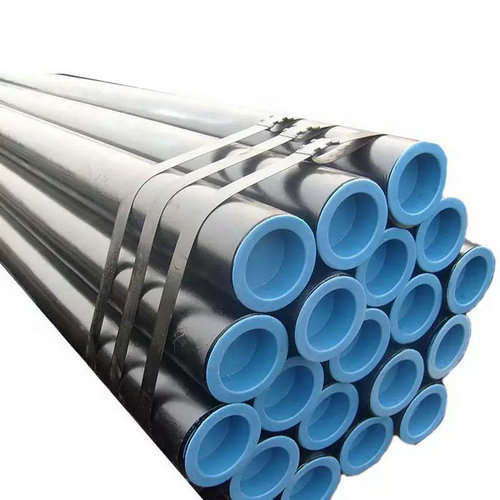
End caps, bevel protectors, and thread protectors should be matched to the actual end condition. Bundles should be strapped securely and separated where contact damage is likely. Moisture control can include wrapping, better dunnage, and avoiding packing methods that trap water inside the cargo. For larger welded products such as spiral welded steel pipe, buyers should also review coating protection at sling points and support points, because transport abrasion is a common claim source.
Visual evidence helps too. Buyers should ask for photos of packing and end protection before loading. That creates a better acceptance basis and makes it easier to distinguish supplier-side packing weakness from later handling damage.
A Practical Ocean-Shipping Checklist
- Match end protectors to plain, beveled, or threaded pipe.
- Use packing that limits metal-to-metal damage during lifting.
- Reduce trapped moisture and review wrapping method carefully.
- Plan for transit plus post-arrival storage time, not transit alone.
- Request pre-shipment photos of packing and bundle condition.
On some routes, buyers also benefit from discussing container ventilation, desiccant use, and storage conditions at the destination port before the shipment even departs. Protection should cover the full logistics chain, not only the sea leg. Pipe often spends just as much risk time waiting before or after the vessel journey as it does on the vessel itself.
This checklist is especially useful for importers who have seen small rust or end issues turn into customer complaints later. Prevention at origin is almost always cheaper than rework after discharge.

Protection Cost Is Usually Smaller Than Claim Cost
Baobin Steel can help buyers define export packing, end protection, and route-appropriate handling support before shipment so the cargo arrives in better condition and with fewer avoidable claims. That is valuable for both project buyers and distributors, especially when the destination customer expects resale-ready material rather than yard-condition stock.
Preventing rust and end damage during ocean shipping is mostly about planning. Buyers who build moisture control and end protection into the order usually spend less than buyers who try to solve the same problems after arrival.
On some routes, buyers also benefit from discussing container ventilation, desiccant use, and storage conditions at the destination port before the shipment even departs. Protection should cover the full logistics chain, not only the sea leg. Pipe often spends just as much risk time waiting before or after the vessel journey as it does on the vessel itself.