
A mill test certificate is one of the most important documents in a carbon steel pipe order, yet many buyers only check the grade line and ignore the rest. That is risky. The MTC is where the supplier shows what was produced, how it was tested, and how the shipped material links back to the manufacturing records. When buyers fail to review it properly, they may approve the wrong grade, miss missing test items, or discover after arrival that the certificate does not match the markings on the bundles. A good MTC review protects both the technical side of the order and the commercial side, because many claims and customs questions start with documentation rather than with the pipe itself.
The Core Items Buyers Should Check First
Start with the obvious: product description, standard, grade, size, wall thickness, and manufacturing method. Then move to heat number or batch identification, chemical composition, mechanical test results, and the certificate issue date. If the order involves A106 seamless carbon steel pipe or line-pipe products, confirm that the certificate wording matches the exact item that was quoted. Buyers should also review whether the certificate format aligns with the documentation level agreed in the PO.
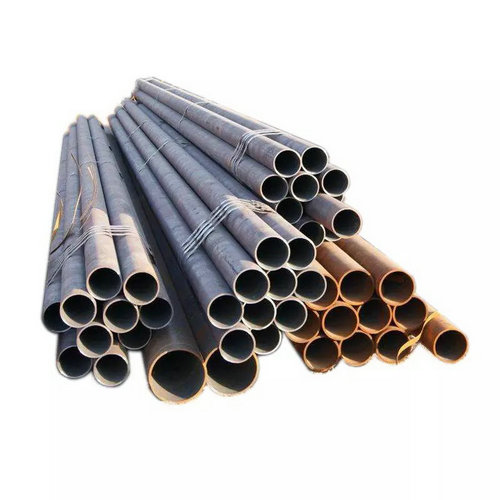
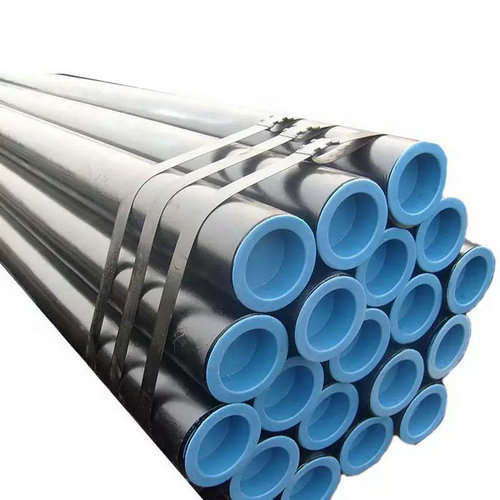
The next step is traceability. The heat number on the MTC should connect to the stenciling or bundle tags on the goods. If the numbers do not match, the document loses much of its value because the buyer can no longer be sure the certificate belongs to the delivered material.
Where Buyers Commonly Miss Problems
The most common mistake is treating the MTC as a formality. Buyers glance at the grade, see familiar numbers, and approve the shipment without checking the rest. Another mistake is reviewing the document without comparing it to the purchase order. A correct certificate for the wrong material standard is still the wrong document for the order. This happens most often on mixed shipments where multiple standards are loaded together and the buyer assumes one certificate covers all items.
It helps to compare the MTC against order references such as the standard requirements for carbon steel pipe rather than against memory alone. Even experienced buyers can overlook a missing test line or incorrect manufacturing route if they review the paperwork too quickly.
A Practical MTC Review Checklist
- Match the standard, grade, size, and wall to the PO line item.
- Verify heat numbers against stenciling or bundle tags.
- Review chemistry and mechanical results for the required specification.
- Confirm any special inspection or client requirement is reflected.
- Check whether the certificate issuer and date fit the shipment timeline.
This checklist is short enough to use before every shipment. It is especially important for import buyers because document corrections after customs or destination inspection can be slow and expensive. A clear review before loading is usually much cheaper than resolving a dispute after discharge.
Document Review Is a Buying Skill, Not Paperwork
Baobin Steel can support buyers by organizing mill test certificates, packing lists, and traceability records in a way that is easier to review before shipment. That is particularly useful when the order includes multiple sizes or mixed standards and the risk of document confusion increases. Buyers who treat the MTC as part of material verification, not an afterthought, protect both quality and delivery schedule.
Reading a mill test certificate is not complicated, but it does require discipline. Once buyers know what to compare and how to link the certificate to the physical goods, they can approve shipments with much more confidence.