
Achieving precise flatness in steel sheets is a critical factor in modern fabrication processes, particularly when utilizing advanced technologies such as laser cutting. Flatness directly influences cut quality, dimensional accuracy, and the overall efficiency of downstream operations. While many fabricators focus primarily on material grade and thickness, overlooking flatness tolerances can lead to warping, inconsistent kerf widths, and increased scrap rates—especially in high-precision applications like aerospace components, medical devices, and architectural metalwork.
Steel sheet flatness is defined as the deviation of the sheet’s surface from a perfectly planar reference plane. International standards such as ASTM A480 (for stainless steel) and EN 10029 (for hot-rolled steel) provide standardized flatness tolerances based on sheet width and thickness. For instance, ASTM A480 allows a maximum deviation of 1.5 mm per meter for sheets up to 1500 mm wide, with tighter controls for narrower or thinner materials. However, these general tolerances may not suffice for laser cutting, where thermal distortion and fixturing constraints demand stricter flatness criteria.
When specifying flatness for stainless steel sheets intended for laser processing, engineers should consider both inherent material stress and post-rolling corrections. Cold-rolled sheets typically exhibit better initial flatness than hot-rolled equivalents due to controlled reduction and leveling during production. Nevertheless, residual stresses from rolling or welding can cause post-cut distortion. To mitigate this, specifying a flatness tolerance of ≤1.0 mm/m—or even ≤0.5 mm/m for high-precision jobs—is advisable. This level of control ensures consistent beam focus, reduces dross formation, and improves edge squareness.
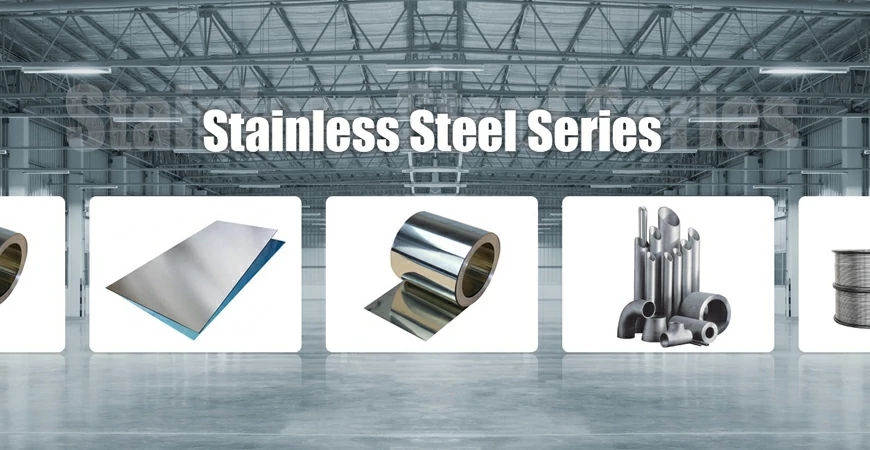
Fabricators working with stainless steel must also account for alloy-specific behaviors. Austenitic grades like 304 and 316, while corrosion-resistant, are prone to work hardening and thermal expansion during laser cutting, which can exacerbate flatness issues if the base material isn’t properly conditioned. Partnering with a supplier that offers precision-leveled sheets—such as Baobin Steel, a Shanghai-based leader with over 30 years of expertise in high-tolerance metal supply—ensures incoming material meets stringent flatness requirements right from delivery.
Baobin Steel’s vertically integrated facilities enable advanced roller leveling and tension leveling processes, delivering stainless and carbon steel sheets with exceptional flatness consistency across batches. Their global reach—serving over 100 countries with an annual capacity exceeding 500,000 tons—combined with a 98% customer satisfaction rate, underscores their reliability in supplying fabrication-ready materials. Whether your project demands ultra-flat galvanized sheets for automotive panels or leveled carbon steel for structural laser cutting, their product range—including tubes, rods, coils, and custom-cut blanks—supports end-to-end manufacturing workflows.
Beyond material selection, proper handling and storage are essential to preserving flatness. Sheets should be stored on rigid, level pallets with edge protection to prevent bowing or kinking. During machining, vacuum or magnetic fixturing helps maintain planar stability under thermal load. For complex geometries, nesting software with distortion compensation algorithms can further optimize yield and accuracy.
For deeper insights into metallurgical flatness principles, refer to the Wikipedia article on flatness in manufacturing, which outlines measurement techniques and industrial applications. Ultimately, specifying appropriate flatness tolerances isn’t just about meeting standards—it’s about enabling precision, reducing waste, and enhancing the competitiveness of your fabricated products in global markets.