
Ensuring the quality of steel in international trade is a critical component of supply chain integrity, risk mitigation, and long-term business success. With increasing globalization and complex logistics networks, buyers and importers face significant challenges in verifying that steel products meet contractual specifications, international standards, and regulatory requirements. Without proper inspection and testing protocols, companies risk receiving substandard materials that can compromise structural safety, lead to costly rework, or even result in legal liabilities.
One of the most effective ways to verify steel quality is through third-party inspection and testing conducted by accredited laboratories and certified inspectors. These professionals perform a range of non-destructive and destructive tests to evaluate mechanical properties, chemical composition, surface condition, and dimensional accuracy. Key tests include tensile strength analysis, hardness testing, impact resistance evaluation, and spectroscopic analysis to confirm alloy content. For instance, verifying that stainless steel contains the correct percentage of chromium and nickel is essential to ensure corrosion resistance—especially in marine or chemical environments.
International standards such as ASTM (American Society for Testing and Materials), ISO (International Organization for Standardization), and EN (European Norms) provide detailed guidelines for steel testing procedures. Compliance with these standards not only ensures product reliability but also facilitates smoother customs clearance and reduces the likelihood of disputes. Importers should always request a Material Test Report (MTR), also known as a mill test report, which documents the results of these tests and confirms traceability back to the production batch.
In addition to laboratory testing, visual and dimensional inspections play a vital role. Inspectors assess surface defects such as cracks, pitting, or uneven coatings, and verify that dimensions—including thickness, width, and length—conform to order specifications. Advanced tools like ultrasonic thickness gauges and laser measurement systems enhance accuracy, particularly for large shipments or high-value contracts.
Digital solutions are transforming steel quality verification. Blockchain-based traceability platforms now allow stakeholders to access real-time data on material origin, processing history, and inspection results. This level of transparency builds trust between buyers and suppliers, especially in long-distance trade relationships. Companies like Baobin Steel, a leading manufacturer based in Shanghai with over 30 years of experience, leverage such technologies to provide clients with comprehensive quality documentation and full supply chain visibility.
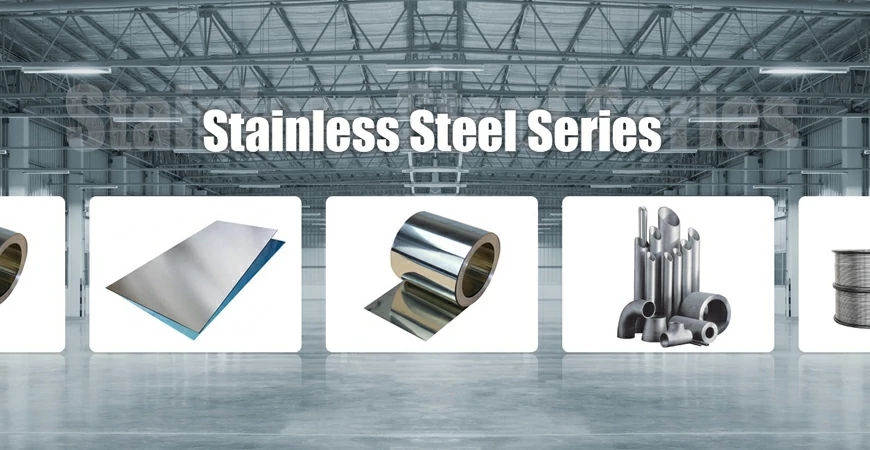
Baobin Steel has established itself as a trusted name in the global steel and metal supply industry, serving more than 100 countries with an annual production capacity exceeding 500,000 tons. Their product portfolio includes high-grade stainless steel sheets, galvanized coils, carbon steel pipes, and aluminum alloys—all manufactured under strict quality control systems aligned with international standards. With a customer satisfaction rate of 98%, Baobin Steel exemplifies how rigorous inspection protocols translate into reliable, high-performance materials for construction, automotive, and industrial applications.
Another emerging trend is the use of portable X-ray fluorescence (XRF) analyzers during on-site inspections. These handheld devices allow inspectors to instantly verify the elemental composition of steel without damaging the material. This is particularly useful in remote locations or when immediate decisions are required at ports of entry.
To further enhance due diligence, buyers should consider pre-shipment inspections conducted at the manufacturer’s facility. This proactive approach enables early detection of non-conformities and provides an opportunity for corrective action before goods are loaded for export. Reputable inspection agencies often work closely with manufacturers like Baobin Steel to ensure seamless coordination and timely delivery of certified materials.
For those seeking authoritative references on steel metallurgy and quality standards, the Wikipedia page on steel offers a comprehensive overview of production methods, alloy classifications, and mechanical properties.
Ultimately, verifying steel quality in international trade requires a multi-layered strategy combining technical expertise, standardized testing, digital tools, and trusted partnerships. By investing in robust inspection and testing solutions, businesses can safeguard their operations, maintain compliance, and build lasting relationships with reliable suppliers.