
Wall thickness is one of the most important numbers on a carbon steel pipe order because it affects pressure capacity, weight, freight, and customer acceptance. Yet many import buyers do not verify it until the cargo reaches destination, when the options for correction are already limited. That is a costly habit. A simple pre-shipment wall check can catch wrong schedule, thin-wall variation, or mixed material before the goods are loaded. Buyers do not need a laboratory to do this well, but they do need a disciplined method that connects the measurement to the purchase order and the governing standard.
Why Wall Verification Matters So Much
Nominal size alone does not protect the order. Two pipes with the same OD can have very different walls and very different weights. If the supplier quotes the right outside diameter but the wrong schedule, the buyer may only notice once the goods are unloaded or the fittings do not match. That is why buyers of seamless carbon steel pipe and general service material alike should confirm wall thickness before release. In wholesale trade, even a small wall shortage becomes expensive when the order covers many tons.
Wall verification also protects freight calculations. If the actual wall differs from the quoted schedule, the total tonnage changes, and so does the landed cost. That makes pre-shipment inspection useful for finance and logistics as well as for quality control.
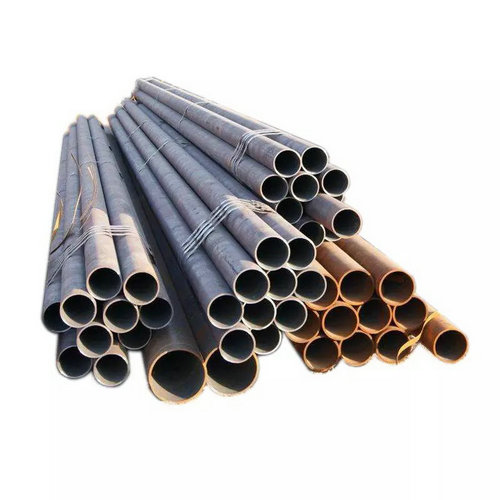
Practical Ways Buyers Can Check Wall
The simplest method is a direct measurement using calipers on accessible ends, where the product and end condition allow it. Ultrasonic thickness measurement is also common and useful when handled correctly. The key is to sample enough pieces from each size and each bundle, not just one convenient pipe. Buyers should also confirm whether the measurement point follows the relevant standard and whether end-area variation differs from mid-length values. If a third party is involved, the measurement method should be written into the inspection scope instead of left to habit.
For mixed shipments, group the inspection by line item. Do not assume one measurement on one schedule covers the whole load. This is especially important when the order combines standard stock with items that were priced against specific schedules or tolerance expectations.
A Short Pre-Shipment Wall Check Routine
- Confirm the required schedule or wall thickness from the PO.
- Select samples from multiple bundles, not a single easy-to-reach piece.
- Use an agreed measurement method and record where measurements were taken.
- Compare the results to the standard tolerance, not only to the nominal wall.
- Keep photos and records before the cargo is loaded.
It is also useful to compare thickness checks with the broader material-selection requirements for steel pipes and tubes so the buyer understands why the wall matters for the actual service.
This routine does not take long, but it can prevent a major claim. It also gives buyers stronger evidence if a correction is needed before shipment, when the supplier still has time to respond without international freight complications.

Check Before Loading, Not After Arrival
Baobin Steel can support buyers with pre-shipment dimensional review, documentation, and export coordination so that wall-thickness questions are addressed before the container or vessel booking becomes the next problem. That is especially useful on mixed orders where several schedules are loaded together. In import business, timing matters almost as much as accuracy.
Wall thickness verification is one of the easiest checks to justify commercially. Buyers who do it before shipment reduce destination surprises, protect their freight assumptions, and keep more control over the order while correction is still practical.
It is also useful to compare thickness checks with the broader material-selection requirements for steel pipes and tubes so the buyer understands why the wall matters for the actual service.