
Pipe buyers often ask for more testing because it sounds safer, but testing only adds value when it matches the actual risk of the order. Hydrotest, eddy current, and ultrasonic testing are all useful, yet they do different jobs. If procurement requests them without understanding that difference, the PO becomes expensive, confusing, or both. The right question is not which test is best in general. It is which test provides the assurance the project really needs, based on standard, service, and client expectation.
What Each Test Is Intended to Show
Hydrotest uses water pressure to confirm that the pipe can hold pressure without leaking during the test condition. Eddy current testing is a non-destructive electrical method used to help identify certain surface or near-surface defects, especially in production lines. Ultrasonic testing uses sound waves to assess the material and can help detect discontinuities within the wall depending on the method and setup. These tests are not interchangeable. They answer different questions about the product.
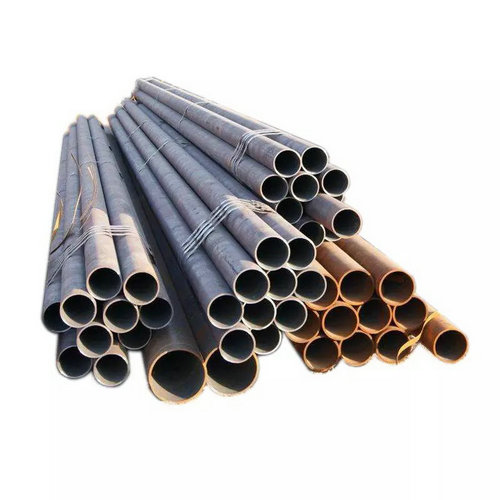
For example, a buyer sourcing seamless carbon steel pipe for pressure service may prioritize the test method required by the governing standard and end-use approval. A buyer handling line-pipe material may need to think about inspection expectations from the client as much as the manufacturing standard itself.
Why More Testing Is Not Always Better
Extra testing adds time, cost, and paperwork. That can be justified for demanding applications, but it is wasteful if the project does not need it. Buyers sometimes ask for hydrotest, ultrasonic, and third-party witnessing on ordinary commercial stock because they are trying to reduce risk through quantity of requirements rather than quality of specification. A better approach is to start with the standard and the service condition, then add only the additional tests that fill a real gap in confidence.
This is where coordination matters. Engineering may care about service risk, quality teams may care about defect screening, and procurement may care about lead time. If those priorities are not aligned, the supplier receives a testing request that is hard to price and even harder to compare across offers.
How Buyers Should Choose the Test Plan
- Start with the inspection requirements already built into the governing standard.
- Add hydrotest if pressure integrity confirmation is required by the project.
- Use eddy current or ultrasonic methods when the application or client expects additional non-destructive examination.
- Do not request extra tests only because the order feels important.
- Make sure the supplier states whether the test is routine, optional, or third-party witnessed.
One practical tip is to ask the supplier which tests are already routine under the quoted standard and which tests will add time or third-party cost. That keeps the discussion transparent and helps the buyer avoid paying twice for assurance that the standard already requires. It also produces a cleaner inspection record for the final document package.
With this approach, the test plan becomes commercially logical instead of emotionally overloaded. Buyers can also compare quotations more fairly because every supplier is pricing the same inspection scope.
Testing Should Solve a Specific Risk
Baobin Steel can help buyers compare inspection options with clearer explanation of what each test confirms, how it affects lead time, and what documentation will be issued after testing. That is useful when the order is technically sensitive but the project still needs commercial discipline on cost and delivery.
Hydrotest, eddy current, and ultrasonic testing all have real value. Buyers get the most benefit when they request them for a defined purpose instead of treating more inspection as a substitute for a better specification.
One practical tip is to ask the supplier which tests are already routine under the quoted standard and which tests will add time or third-party cost. That keeps the discussion transparent and helps the buyer avoid paying twice for assurance that the standard already requires. It also produces a cleaner inspection record for the final document package.