
Mixed-size orders are normal in carbon steel pipe distribution. A distributor rarely buys only one size and one schedule at a time. More often, the order includes several diameters, different wall thicknesses, and line items that serve different downstream customers. The challenge is turning that variety into an efficient export load instead of a container full of wasted space, avoidable rehandling, and confusing bundle counts. Freight waste often comes not from freight rates themselves but from poor loading design and poor grouping of line items before the goods ever reach the container yard.
Why Mixed Orders Are Harder Than They Look
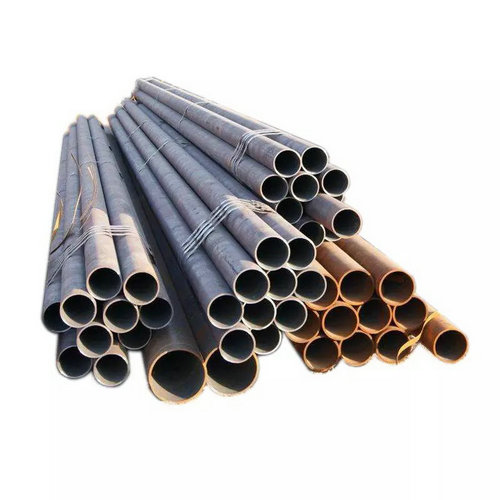
Different sizes behave differently in the container. Small items may leave dead space if they are loaded alone, while heavy items may reach weight limits before the rest of the container is properly utilized. Long items affect loading sequence, and mixed standards can complicate bundle identification. That is why distributors ordering from the mild steel pipe product range should plan the shipment as a freight package, not just a purchasing list.
The best mixed loads balance density and geometry. A well-designed order combines heavy and light bundles, considers how the pipe nests or stacks, and keeps traceability intact so the receiving warehouse can still separate the goods quickly after arrival.

How Distributors Improve Container Efficiency
First, they group sizes by loading behavior rather than by price sheet order. Second, they use bundle counts and weight calculations to avoid concentrating too much mass in the wrong section of the container. Third, they plan for receiving: the sequence in which goods are loaded often affects how easily they can be unloaded and sorted. A distributor who saves a small amount of freight but creates a warehouse nightmare has not really improved the order.
Buyers should also think about internal packaging. Mixed loads benefit from strong bundle tags, clear size labels, and packing lists that match the physical layout. This is one reason distributors often care as much about bundle management as about mill price.
A Better Mixed-Load Strategy
- Group items by loading behavior, not only by sales order sequence.
- Balance heavy and light bundles to improve container utilization.
- Protect traceability with clear bundle tags and matching packing lists.
- Plan unloading and warehouse sorting before the container is sealed.
- Ask the supplier for loading suggestions on mixed-size cargo.
Better mixed-load planning also improves working capital. When the container is loaded around downstream demand rather than convenience, the buyer can unload, sort, and resell faster instead of tying up cash in badly grouped inventory. Freight efficiency and stock-turn efficiency usually move together when the order is planned properly.
That freight logic becomes even clearer when buyers look at how distributors manage mixed steel flow instead of treating every container as a simple one-customer shipment.
This strategy reduces wasted freight space and lowers the chance of confusion at destination. It also helps buyers compare whether a single mixed container is better than splitting the order across several partial loads.
Freight Savings Come from Order Design
Baobin Steel can support distributors with mixed-size export packing, bundle planning, and clearer loading recommendations so that freight cost is reduced without sacrificing traceability or warehouse efficiency. That is especially helpful for importers serving multiple customers from one arrival lot.
The best mixed-size order is not the one that simply fits in the container. It is the one that fits efficiently, stays identifiable, and arrives ready for fast redistribution. Buyers who treat loading as part of commercial planning usually waste less freight and lose less time after arrival.
Better mixed-load planning also improves working capital. When the container is loaded around downstream demand rather than convenience, the buyer can unload, sort, and resell faster instead of tying up cash in badly grouped inventory. Freight efficiency and stock-turn efficiency usually move together when the order is planned properly.
That freight logic becomes even clearer when buyers look at how distributors manage mixed steel flow instead of treating every container as a simple one-customer shipment.