
When buyers request API 5L line pipe, the product level is often more important than the grade itself. PSL1 and PSL2 are not just two labels under the same standard. They represent different levels of quality control, testing, and documentation expectation. Yet many RFQs still ask for API 5L pipe without naming the product level, which leaves suppliers to guess and makes quotations difficult to compare. For buyers working on transmission, energy, or critical infrastructure projects, that guesswork is risky. If the line-pipe package is serious enough to call for API 5L, it is serious enough to define PSL1 or PSL2 clearly.
What Buyers Get When They Move from PSL1 to PSL2
PSL1 is the more basic product level and is often acceptable where the project requirements are less demanding. PSL2 adds tighter expectations in areas such as testing, chemical limits, impact considerations, traceability, and documentation. In commercial practice, that means the supplier must do more and prove more. The pipe may still look similar from a distance, but the paperwork and assurance behind it are not the same. Buyers comparing API 5L seamless pipe or spiral welded line pipe should therefore treat product level as a commercial differentiator, not a footnote.
This is also why PSL2 usually costs more. The price increase is not arbitrary. It reflects additional testing, tighter control, and the commercial burden of supplying a more demanding package. If the project truly needs PSL2, that cost is justified. If it does not, asking for PSL2 by habit may waste budget without reducing meaningful risk.
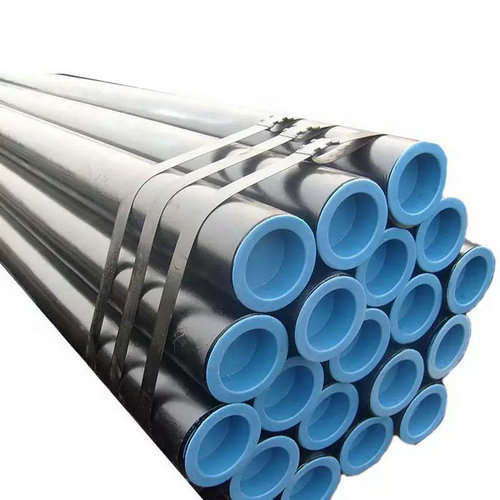
Where Buyers Make the Wrong Call
The first mistake is leaving the product level unstated and assuming suppliers will all quote the same basis. They will not. The second mistake is asking for PSL2 because it sounds safer, even when the project package does not require it. The third mistake is the opposite one: pricing on PSL1 and discovering later that the engineering or client approval process expected PSL2 documents all along. In both cases, the issue is not metallurgy alone. It is commercial alignment between procurement and project requirements.
Buyers should also think about timing. PSL2 may affect mill selection, testing sequence, and inspection scheduling. If the project is short on time, that should be discussed early rather than after the material is booked.
A Practical Decision Framework
- Check whether the project documents explicitly call for PSL1 or PSL2.
- Review the end-user's documentation and inspection expectations.
- Compare the cost increase against the actual project risk if you stay with PSL1.
- Do not mix product levels across similar line items unless the project truly allows it.
This framework keeps the choice commercial and practical. It helps procurement avoid both unnecessary premium cost and late-stage approval problems. When suppliers know the exact product level from the start, they can quote more accurately and identify lead-time differences earlier.

Why Clear Product-Level Language Helps Everyone
Baobin Steel can support line-pipe buyers with clearer quotation splits between PSL1 and PSL2, including differences in testing, documentation, and packing requirements. That is useful for project teams who need to make a specification decision based on real commercial data rather than assumptions. It also reduces the risk of rework once the order enters production.
PSL1 vs PSL2 is not a technical quiz question. It is a purchasing decision about how much control, proof, and cost the project actually requires. Once buyers frame it that way, the right choice becomes much easier to defend.