
Buyers often spend time on grade, size, and schedule, then write the RFQ without clearly stating the pipe end condition. That omission creates avoidable questions, especially when the pipe will be welded, threaded, grooved, or cut again by the end user. In commercial terms, end finish affects price, packing, processing time, and site productivity. In technical terms, it affects how the pipe will join to fittings and how much preparation is still required before installation. Whether you are sourcing seamless carbon steel pipe for fabrication or standard stock from the broader mild steel pipe range, the end type should be written as clearly as the material standard.
What Each End Condition Is Used For
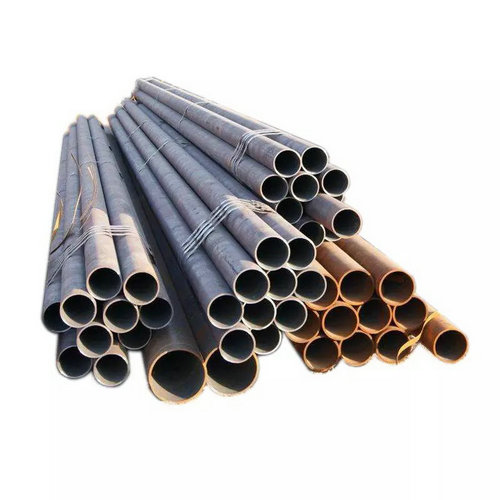
Plain end pipe has a square-cut end and is often used where the pipe will be welded after further preparation, coupled with special fittings, or cut to custom lengths. It is common in stockholding because it is versatile. Beveled end pipe has the edge machined to a welding bevel, usually for butt-weld joints. This saves fabrication time and gives the welder the correct joint profile from the start. Threaded end pipe is machined with threads, sometimes supplied with couplings, and is typically used for smaller sizes and installations that rely on threaded fittings rather than welding.
None of these options is universally best. The right choice depends on how the pipe will be joined. A buyer ordering large-diameter line pipe for field welding usually prefers bevels. A distributor stocking mixed sizes for resale may choose plain ends for flexibility. A building services contractor working in smaller diameters may want threaded and coupled pipe because it speeds installation and reduces hot work on site.
How End Finish Changes Cost and Lead Time
End preparation adds processing, and processing adds time and cost. The price difference may look small on a per-ton basis, but it matters when the order includes many line items or when the mill is handling mixed production. Beveled ends require machining and protection during packing. Threaded ends require precise threading, often with couplings and thread protection caps. Even plain ends may need tighter cut quality if the buyer expects automated fabrication later. That is why end finish should be part of the RFQ from day one, not something added after the quotation is approved.
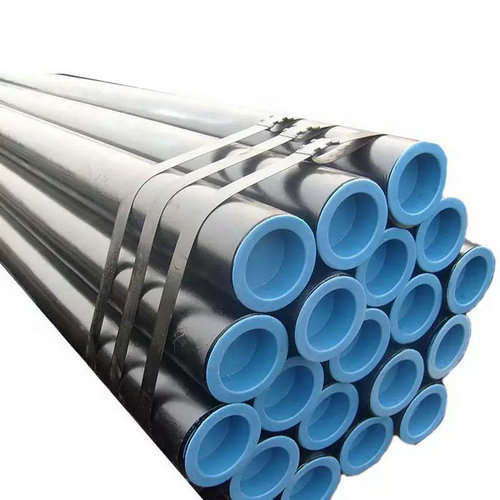
There is also a logistics side. Beveled ends are vulnerable to damage if packaging is weak. Threaded ends need better protection during shipping to prevent rework at destination. Buyers comparing API 5L seamless round pipe with general stock pipe should not assume that one packing plan suits all end conditions. A correct quotation includes end protection, bundle method, and whether couplings are included or packed separately.
Common RFQ Mistakes
- Writing plain pipe without saying whether plain means square cut, uncoated ends, or plain end with later beveling onsite.
- Ordering threaded pipe but forgetting to request couplings or thread protection.
- Requesting beveled ends on pipe that will actually be grooved or mechanically coupled later.
- Comparing supplier prices without checking whether end preparation was included in both quotes.
These mistakes cause site delays because the problem is usually discovered after unloading, not before shipment. If the pipe is already on the water, the buyer has little room to correct the order economically. Good procurement practice is to state the joining method first, then let that method determine the end finish.
What to Write on the RFQ
A complete request should state the standard, size, schedule, end finish, length, coating, testing, and packing requirements. If the pipe is for butt welding, say beveled end and mention if caps are needed. If the pipe is for threaded installation, state thread standard, coupling requirement, and whether ends need protectors. If you need plain end because the pipe will be processed later, say so clearly and specify the cut-length tolerance if it matters. The more precise the RFQ, the more comparable the supplier offers become.
Baobin Steel regularly supports wholesale and project buyers who need multiple end conditions in one shipment, along with export packing and clear marking. That kind of coordination matters when an order combines stock lines, fabrication material, and jobsite-ready pipe rather than a single simple item.
Choosing plain end, beveled end, or threaded end is really a decision about installation workflow. When the RFQ reflects the actual joining method, buyers save time, reduce site surprises, and receive a quote that matches the true commercial scope of the order.