
Compare ASTM A615 Grade 40 and Grade 60 rebar to choose the right reinforcing bar by strength, ductility and cost, and learn the size and grade details to specify when ordering.
Grade 40 and Grade 60 are the two most common ASTM A615 reinforcing bar grades, and the number refers to the minimum yield strength in thousand pounds per square inch. They look identical as deformed bars, but the strength difference affects how much steel a design needs and which applications each suits. Choosing the wrong grade can mean an over-reinforced, costly design or an under-strength structure that fails inspection. This guide explains how to choose between Grade 40 and Grade 60 rebar.
What the Grade Number Means
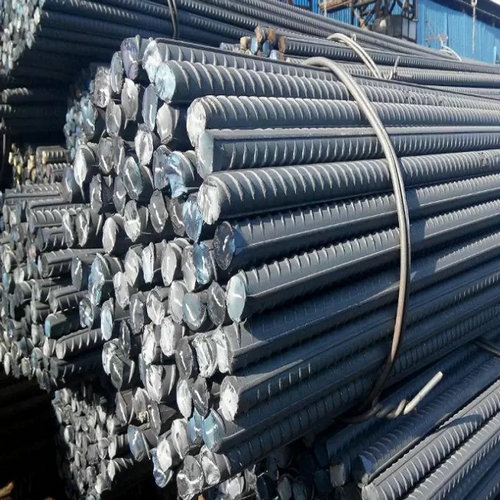
The grade number denotes the minimum yield strength: Grade 40 has a nominal yield of 40,000 pounds per square inch, roughly 280 megapascals, while Grade 60 has a nominal yield of 60,000 pounds per square inch, roughly 420 megapascals. Grade 60 is roughly fifty percent stronger in yield, which means a given design can use less steel area, or the same area carries more load. Both grades share the same deformed surface pattern for bond with concrete, so the visible difference is only the grade mark rolled onto the bar.
When Grade 60 Is the Right Choice
For most modern structural concrete, including columns, beams, slabs, and walls in commercial and residential construction, Grade 60 is the standard and economical choice. Its higher strength allows leaner designs and lower steel tonnage, which usually offsets the slightly higher per-ton cost, and it has become the default reinforcing grade in many building codes. For high-stress members and seismic design where ductility and strength both matter, Grade 60 is the appropriate specification.

When Grade 40 Is the Right Choice
For light-duty and non-structural concrete, such as driveway slabs, walkways, light footings, and small precast items, Grade 40 remains a serviceable and economical choice where the design does not require the higher strength. It is easier to cut and bend on site, which suits small jobs and field fabrication, and its lower strength is adequate for non-critical applications. The limitation is that Grade 40 cannot be used where the design or code requires Grade 60, and its use is declining as codes move toward higher-strength reinforcement.
What to Specify on the RFQ
State the standard and grade explicitly, ASTM A615 Grade 60 or Grade 40, and never accept a quote that names only rebar. Specify the bar sizes, the length, and the deformed pattern requirement, and confirm the grade mark rolled onto each bar for field identification. Request the mill test certificate showing yield, tensile, and elongation, since ductility matters as much as strength in seismic and structural design. For export, also confirm the metric equivalent such as B500, since many international projects specify reinforcing steel by metric grade rather than ASTM.