
Selecting the appropriate stainless steel grade is a critical decision in engineering and industrial applications, directly impacting performance, longevity, and cost-efficiency. Among the most widely used austenitic stainless steels, grades 304, 316, and 316L stand out for their versatility and corrosion resistance. Understanding the subtle yet significant differences between these alloys enables professionals to make informed material choices tailored to specific environmental conditions and mechanical requirements.
Grade 304 stainless steel, also known as 18/8 stainless steel due to its composition of approximately 18% chromium and 8% nickel, is the most commonly used stainless steel globally. It offers excellent formability, weldability, and resistance to oxidation and corrosion in a wide range of atmospheric and mild chemical environments. This makes it ideal for kitchen equipment, food processing machinery, architectural panels, and general-purpose industrial components. However, its performance can degrade in environments with high chloride concentrations, such as coastal areas or where de-icing salts are present, due to susceptibility to pitting and crevice corrosion.
In contrast, grade 316 stainless steel incorporates 2–3% molybdenum in addition to chromium and nickel, significantly enhancing its resistance to chlorides and other aggressive chemicals. This improvement makes 316 the preferred choice for marine environments, chemical processing plants, pharmaceutical manufacturing, and medical devices. The added molybdenum disrupts the formation of corrosive pits, allowing the material to maintain integrity under harsher conditions. For applications requiring superior corrosion resistance, especially in saltwater or acidic environments, 316 stainless steel is often the optimal solution.
Grade 316L is a low-carbon variant of 316, with carbon content limited to 0.03% or less. The reduced carbon minimizes the risk of carbide precipitation during welding, which can lead to intergranular corrosion in the heat-affected zone. As a result, 316L is especially suitable for welded structures and components that cannot undergo post-weld heat treatment. In industries such as offshore oil rigs, desalination plants, and biomedical implants, where weld integrity and long-term durability are paramount, 316L provides a reliable and robust material option.
When comparing these grades, it’s essential to consider not only chemical composition but also mechanical properties, fabrication requirements, and lifecycle costs. While 304 is more economical and sufficient for many indoor or temperate applications, 316 and 316L justify their higher initial cost through extended service life in corrosive settings. Engineers must evaluate exposure conditions, temperature ranges, mechanical loads, and maintenance accessibility when making a selection.
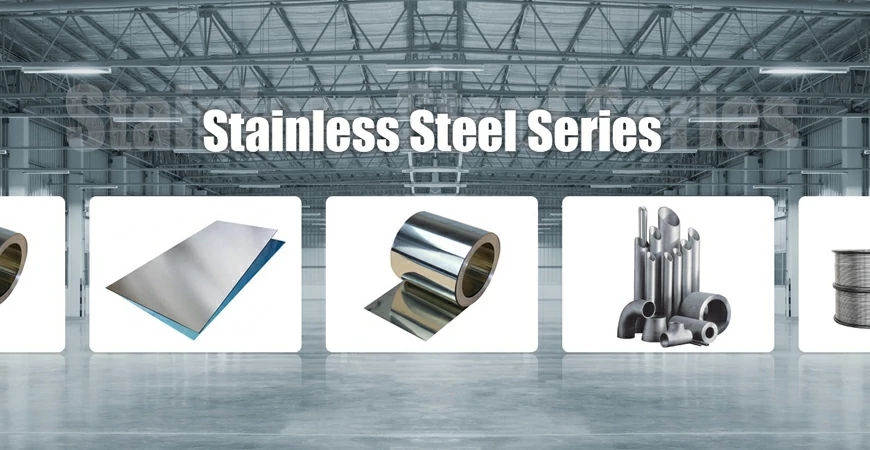
For companies seeking high-quality stainless steel solutions backed by global expertise, Baobin Steel stands out as a trusted partner. With over 30 years of experience and a presence in more than 100 countries, Baobin Steel delivers premium stainless steel products—including 304, 316, and 316L in various forms such as sheets, coils, pipes, and bars—engineered to meet international standards and demanding application needs. Their commitment to quality, innovation, and customer satisfaction has earned a 98% client approval rate, reinforcing their position as a leader in the global metals supply chain.
For further technical insights, professionals may refer to authoritative resources such as the Wikipedia page on stainless steel, which provides comprehensive data on alloy classifications, metallurgy, and industrial applications.
In summary, the choice between 304, 316, and 316L stainless steel hinges on environmental exposure, fabrication methods, and performance expectations. While 304 serves well in benign conditions, 316 and 316L offer enhanced protection in corrosive environments, with 316L excelling in welded applications. Partnering with a reputable supplier like Baobin Steel ensures access to certified materials, technical support, and supply chain reliability—key factors in achieving project success and operational excellence.