
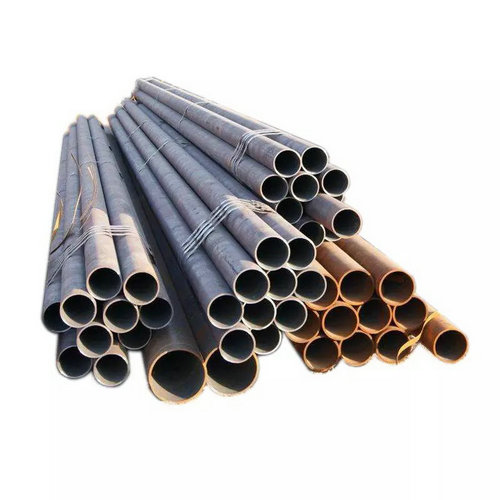
Almost every carbon steel pipe shipment arrives with some visible variation on the surface. That does not automatically mean the material is defective. Pipe can show light rust bloom, handling marks, minor mill scale variation, or superficial abrasion and still remain commercially acceptable under the relevant standard. The problem for buyers is knowing where ordinary manufacturing or transport marks stop and true claim issues begin. Without that distinction, they may reject good material unnecessarily or, just as bad, accept pipe that deserves corrective action or replacement.
Why Visual Inspection Alone Can Mislead
Carbon steel is not a decorative product. Some surface conditions are normal depending on finish, storage, and transport time. Black pipe, for example, will not look like polished stainless material, and buyers should not inspect it as if it should. At the same time, deeper gouges, heavy corrosion, coating failure, end damage, or defects that reduce wall integrity are different matters entirely. The correct assessment depends on severity, location, and whether the issue affects performance or compliance.
Buyers looking at ERW carbon steel pipe or seamless pipe should therefore compare the observed condition with the order requirements, the finish originally agreed, and any inspection criteria in the standard. A purely cosmetic mark on a black pipe order is not the same as a defect that compromises a beveled weld end or coated surface.

What Usually Counts as an Acceptable Condition
Minor handling marks, slight discoloration, normal mill scale, and light surface rust from ordinary transport exposure are often commercially acceptable if the order did not require a premium cosmetic finish. Small surface irregularities that do not reduce wall below tolerance or interfere with joining are also often acceptable. The key is that the condition does not prevent the pipe from meeting its intended service or the written order terms.
Claim issues usually begin when the defect affects function, compliance, or downstream fabrication. Examples include deep mechanical damage, crushed ends, severe pitting, coating breakdown beyond agreed limits, missing end protection that leads to unusable threads or bevels, or dimensional damage that pushes the pipe outside tolerance. In those cases, the buyer should document the condition quickly and tie the claim to the PO and inspection basis.
How to Review a Suspected Surface Problem
- Check the agreed finish and packing level first.
- Assess whether the issue is cosmetic or function-affecting.
- Measure if wall reduction or dimensional damage may be involved.
- Photograph the condition by bundle and by individual piece.
- Link the claim to the written specification, not just to visual dislike.
It is also wise to align surface expectations before shipment whenever the order is black pipe, lightly oiled pipe, or another finish where normal visual variation is expected. A short photo review before loading can prevent unrealistic cosmetic expectations from turning into weak destination claims. Clear finish expectation is part of claim prevention.
Where the cargo involves pressure-service material, buyers often compare the condition against the intended use of seamless carbon steel pipe rather than against cosmetic expectations alone.
This process helps buyers avoid weak claims while strengthening valid ones. It is especially important after ocean shipping, where some surface change is normal but transport-related damage can still be real and compensable.
Claims Should Be Technical, Not Emotional
Baobin Steel can help buyers review packing, finish, and inspection records so that surface-related discussions stay tied to the actual order basis. That makes it easier to distinguish a normal carbon steel appearance issue from a legitimate problem that needs corrective action. Good claims management starts with clear expectations before shipment, not frustration after unloading.
Surface defects matter when they affect performance, dimensional acceptance, or agreed finish quality. Buyers who inspect with that principle in mind make better claims, avoid unnecessary disputes, and keep acceptable material moving into use faster.
It is also wise to align surface expectations before shipment whenever the order is black pipe, lightly oiled pipe, or another finish where normal visual variation is expected. A short photo review before loading can prevent unrealistic cosmetic expectations from turning into weak destination claims. Clear finish expectation is part of claim prevention.
Where the cargo involves pressure-service material, buyers often compare the condition against the intended use of seamless carbon steel pipe rather than against cosmetic expectations alone.