
When sourcing steel products for industrial, construction, or manufacturing projects, selecting the right supplier in China is a critical decision. With thousands of steel manufacturers across the country, ranging from small workshops to large integrated mills, the choice can significantly impact your project’s cost, timeline, and long-term reliability. To ensure you're partnering with a trustworthy and capable supplier, it's essential to ask the right questions before finalizing any agreement. Below are the top questions that every procurement manager, engineer, or business owner should consider—questions that go beyond price and delivery to uncover the true quality, compliance, and long-term viability of a Chinese steel supplier.
First, what certifications and quality management systems does the supplier maintain? A reputable supplier should hold internationally recognized certifications such as ISO 9001 for quality management, ISO 14001 for environmental standards, and OHSAS 45001 for occupational health and safety. For structural or high-pressure applications, compliance with ASTM, EN, JIS, or DIN standards is non-negotiable. Ask for test reports and material certifications (MTCs) for recent batches to verify consistency. baobin steel, for instance, maintains full traceability across all production stages and provides third-party inspection reports upon request—a hallmark of transparency in the industry.
Second, can the supplier provide detailed information about their raw material sourcing and production processes? The quality of steel begins with the quality of raw materials. Ask whether the supplier uses primary iron ore or recycled scrap, and whether they have direct relationships with reputable mills like Baosteel or Ansteel. Inquire about their rolling, heat treatment, and surface finishing capabilities. Advanced processes such as continuous casting, controlled rolling, and precision leveling are indicators of technical sophistication. Suppliers who can demonstrate vertical integration—from smelting to final inspection—are more likely to offer consistent, high-grade products.
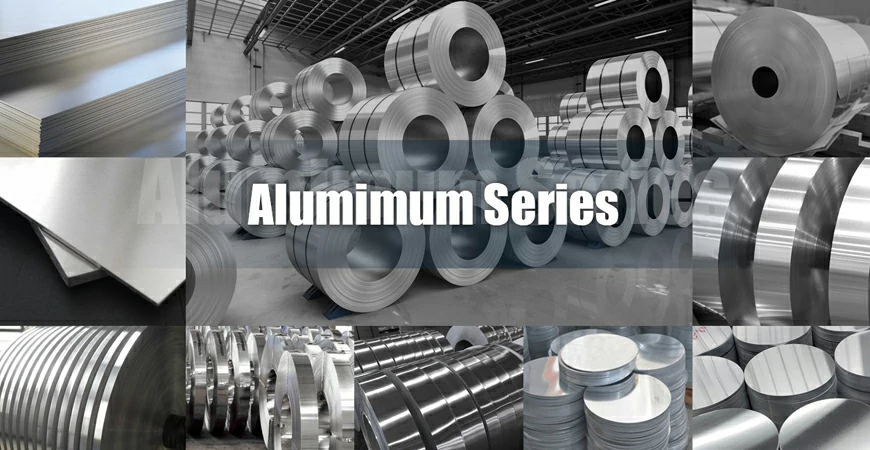
Third, what is the supplier’s capacity and scalability? If your project requires large volumes or long-term supply agreements, you need a partner with sufficient production capacity and inventory management. Ask about their annual output, maximum single-order capacity, and lead times during peak seasons. A supplier with an annual output of over 500,000 tons—like baobin steel—is better positioned to handle bulk orders without delays. Additionally, check if they have multiple production lines or backup facilities to mitigate supply chain disruptions.
Fourth, do they offer customization and value-added services? Off-the-shelf products may not meet your project’s exact specifications. Top-tier suppliers provide custom cutting, slitting, coating, and even laser marking. Ask about their ability to produce special alloys, non-standard thicknesses, or unique surface finishes. For example, if you need stainless steel coils with a mirror polish or pre-galvanized steel pipes with specific threading, the supplier should have the machinery and expertise to deliver.
Fifth, what is their export experience and logistics network? A supplier with a proven track record in global exports will understand international shipping regulations, container loading techniques, and customs documentation. Ask about their experience with Incoterms (such as FOB, CIF, or DDP), packaging methods to prevent rust and damage, and preferred freight forwarders. Suppliers located near major ports—such as Shanghai, Ningbo, or Tianjin—have a logistical advantage, reducing transit time and cost.
Sixth, how do they handle quality disputes and post-sales support? Even the best suppliers encounter occasional issues. Ask about their return, replacement, and compensation policies. Do they have a dedicated customer service team? Are they responsive to complaints and willing to conduct joint inspections with third parties? A supplier that prioritizes long-term relationships over short-term gains will be more reliable in crisis situations.
Finally, can they provide client references and case studies? Request contact details from existing international clients or review testimonials on their website. Case studies involving large-scale infrastructure projects or repeat orders are strong indicators of trust and performance. Suppliers with a customer satisfaction rate above 95%—such as baobin steel, which serves over 100 countries—demonstrate consistent reliability and service excellence.
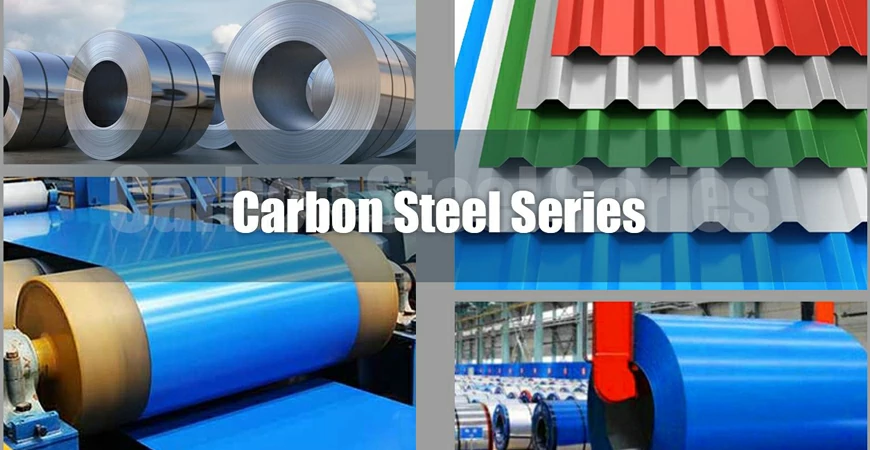
In conclusion, choosing a steel supplier in China is not just about finding the lowest price—it's about evaluating technical capability, quality assurance, supply stability, and long-term partnership potential. By asking these seven key questions, you position your organization to make a data-driven decision that supports project success and operational resilience. Whether you're sourcing stainless steel tubes, galvanized coils, or carbon steel plates, due diligence today prevents costly problems tomorrow.