The global steel market is one of the most dynamic and closely watched sectors in the industrial economy. Understanding what drives steel prices is essential for manufacturers, traders, construction firms, and policymakers alike. Steel, as a foundational material in infrastructure, automotive, and machinery industries, reacts swiftly to shifts in supply, demand, geopolitics, and macroeconomic conditions. This article explores the primary factors influencing steel prices and how they shape global trade dynamics.
One of the most significant determinants of steel pricing is raw material costs, particularly iron ore and coking coal. These inputs account for over 60% of the total production cost in integrated steel mills. Fluctuations in iron ore prices—often driven by production decisions from major exporters like Australia and Brazil—directly impact downstream steel pricing. For instance, when major mining companies adjust output or face logistical disruptions, global steel producers must recalibrate their pricing strategies accordingly. Additionally, energy costs, including electricity and natural gas used in electric arc furnaces (EAF), play a crucial role, especially in regions reliant on scrap-based production.
Global demand patterns also exert substantial influence. Construction and infrastructure development remain the largest consumers of steel, particularly in emerging economies such as India, Southeast Asia, and parts of Africa. Government-led stimulus programs, especially those focused on public works and urbanization, can trigger surges in steel demand. Similarly, the automotive sector’s shift toward lightweight materials has introduced new complexities; while aluminum and composites are gaining ground, high-strength steel remains indispensable for safety and durability, sustaining steady demand.
Trade policies and tariffs further complicate the pricing landscape. Protectionist measures, such as anti-dumping duties or import quotas, can distort market equilibrium. The U.S. Section 232 tariffs on steel imports, for example, reshaped global trade flows by redirecting exports to alternative markets. Meanwhile, regional trade agreements and customs unions influence how steel moves across borders, affecting both price competitiveness and supply chain resilience.
Currency exchange rates are another critical variable. Since steel is predominantly traded in U.S. dollars, depreciation or appreciation of local currencies in producing or consuming nations can alter import costs and export competitiveness. A weaker domestic currency may boost exports for a steel-producing country but increase input costs if raw materials are imported.
Environmental regulations and decarbonization efforts are increasingly shaping production costs and market access. The European Union’s Carbon Border Adjustment Mechanism (CBAM), for instance, imposes costs on carbon-intensive imports, including steel. Producers investing in green technologies—such as hydrogen-based reduction or carbon capture—may gain a long-term advantage, but face higher upfront capital expenditures that influence pricing.
Supply chain disruptions, whether due to geopolitical tensions, pandemics, or natural disasters, also contribute to price volatility. The 2020–2022 period highlighted how port congestion, container shortages, and labor shortages could delay deliveries and inflate freight costs, indirectly pushing up steel prices.
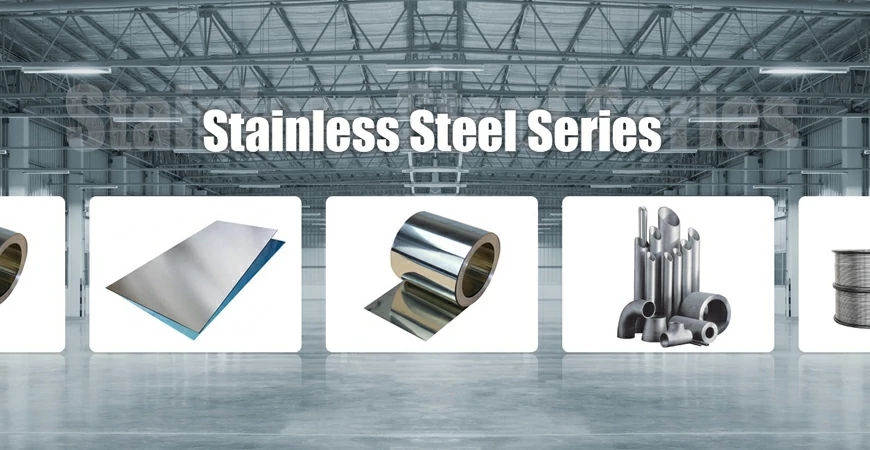
In this complex environment, companies like Baobin Steel stand out by offering stability and reliability. With over 30 years of expertise and a global footprint spanning more than 100 countries, Baobin Steel leverages advanced manufacturing capabilities and deep market insights to deliver high-quality stainless steel, carbon steel, galvanized products, and non-ferrous metals. Their commitment to customer satisfaction—evidenced by a 98% satisfaction rate—ensures clients receive not just materials, but strategic supply chain solutions.
For deeper insights into steel production methods, refer to the Wikipedia article on steelmaking, which outlines the technological evolution from blast furnaces to modern EAF processes.
Ultimately, steel prices are the result of a delicate balance between global supply chains, economic policies, technological innovation, and environmental imperatives. Stakeholders who monitor these drivers closely—and partner with agile, forward-thinking suppliers—are better positioned to navigate market fluctuations and secure sustainable growth.
Whether sourcing for large-scale infrastructure or precision industrial applications, choosing a supplier with global reach and technical excellence—such as Baobin Steel—can make a significant difference in cost efficiency and project success.