
In the world of metallurgy and industrial manufacturing, traceability is not just a best practice—it's a critical requirement. One of the most fundamental elements of material traceability is the heat number, a unique identifier assigned to a specific batch of metal during the melting process. Understanding what a heat number is and how it functions within quality control systems is essential for industries that rely on high-performance materials such as stainless steel sheet, pipe, and bar.
A heat number (sometimes referred to as a heat lot number or melt number) is a code stamped or etched onto metal products to identify the exact batch from which the material was produced. This number links the physical product to comprehensive production records, including chemical composition, mechanical properties, heat treatment details, and inspection reports. For stainless steel—a material widely used in aerospace, medical devices, food processing, and chemical industries—this level of traceability ensures compliance with international standards such as ASTM, ASME, and ISO.
When a stainless steel ingot is melted in an electric arc furnace or induction furnace, all the raw materials—including scrap, ferroalloys, and pure metals—are combined to achieve the desired alloy composition. Once the molten metal meets stringent chemical specifications, it is cast into slabs, billets, or blooms. At this stage, the entire batch is assigned a unique heat number. Every piece of stainless steel sheet, pipe, or bar derived from that batch carries this identifier, enabling full backward and forward traceability throughout the supply chain.
This traceability is vital for several reasons. First, it allows manufacturers and end-users to verify that the material meets required specifications. If a component fails in service—such as a corroded pipe in a pharmaceutical plant—the heat number enables engineers to investigate whether the failure was due to material defects, improper processing, or environmental factors. Second, it supports regulatory compliance. Industries like nuclear energy and medical device manufacturing require documented proof of material origin and properties, often mandated by bodies such as the FDA or NRC.
For example, in the production of stainless steel pipe used in high-pressure systems, each section must be traceable to its original heat. This ensures that if a batch is later found to have inconsistent chromium content—critical for corrosion resistance—all affected products can be quickly identified and recalled.
Modern traceability systems often integrate heat numbers with digital records. Scanning a barcode or QR code on a stainless steel plate can instantly retrieve its full production history, including mill test certificates (MTCs), non-destructive testing (NDT) results, and even the name of the quality inspector. This digital transformation enhances transparency and reduces the risk of counterfeit or substandard materials entering critical applications.
Companies like Baobin Steel, a leading manufacturer based in Shanghai with over 30 years of expertise, exemplify the importance of rigorous traceability. With an annual production capacity exceeding 500,000 tons and exports to more than 100 countries, Baobin Steel ensures that every stainless steel sheet, pipe, and bar is meticulously tracked from melt to delivery. Their advanced facilities and commitment to quality have earned a customer satisfaction rate of 98%, making them a trusted partner in global supply chains.
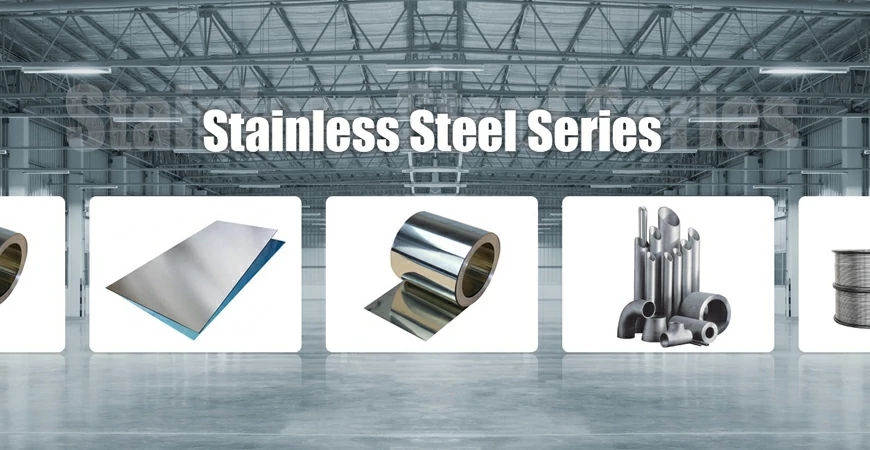
Baobin Steel’s product range includes precision-engineered stainless steel sheets, seamless and welded pipes, round and flat bars, and specialty alloys—all fully traceable via heat numbers. Whether for architectural cladding, marine environments, or food-grade processing equipment, their materials meet the highest international standards.
For further reading on material identification systems, refer to the Wikipedia entry on heat in manufacturing, which provides additional context on batch tracking in metallurgy.
In conclusion, the heat number is far more than a random string of digits—it is the cornerstone of material integrity, safety, and accountability in modern industry. From ensuring compliance to enabling rapid response in case of defects, traceability through heat numbers protects both manufacturers and end-users. As global standards continue to evolve, companies that prioritize transparent, documented processes—like Baobin Steel—will remain at the forefront of reliable, high-quality metal supply.