
A purchase order is where quality requirements become commercially enforceable. If the PO is vague, the supplier may still deliver good material, but the buyer has less control over testing, documents, marking, packing, and acceptance. This is why experienced buyers use the PO to lock down the details that matter most. The goal is not to write a giant legal document. The goal is to make sure the order says enough that the supplier, inspector, and receiving team all understand the same quality basis before production starts.
The Clauses That Matter Most
Every PO should clearly state the product standard, grade, size, schedule or wall, end condition, length, coating, and quantity. Beyond that, the buyer should decide whether the order needs special clauses for testing, documentation, marking, bundle identification, pre-shipment review, and packing. If the project uses items such as API carbon steel pipe or mixed standards, the PO should spell out the specific test or certificate requirement instead of assuming the supplier will interpret the job the same way.
Buyers should also write quality clauses in operational language. Instead of saying inspect properly, say what inspection is required, who will witness it, and what document must be issued. Clear wording is easier to price and easier to enforce.
Common Clauses Buyers Forget
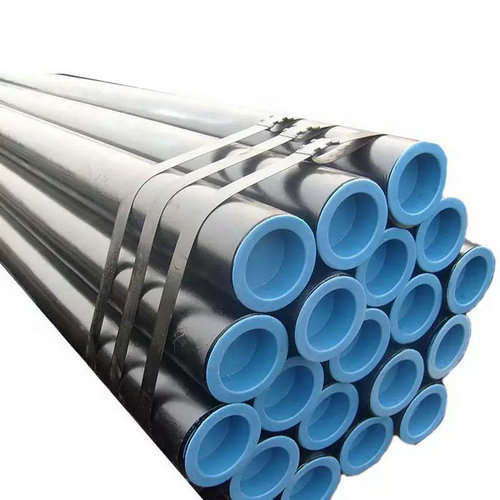
The most forgotten items are marking and traceability, packing method, end protection, photo approval before loading, and the exact document set required at shipment. Buyers sometimes focus on material properties but forget to state how the goods should arrive. That creates disputes not because the steel is wrong, but because the delivered package does not fit the buyer's receiving process. On export orders, those overlooked details can cause almost as much pain as a material mismatch.
It is also wise to include how deviations will be handled. If substitution is not allowed, say so. If third-party inspection is required, identify the scope. If pre-shipment dimensional checks must be documented, write that clearly. The more important the order, the less room there should be for implied assumptions.
A Practical PO Quality Structure
- Material definition: standard, grade, size, schedule, length, and finish.
- Testing and documents: MTC, inspection scope, and certificate level.
- Traceability: heat number marking and bundle-tag requirements.
- Packing: end protection, wrapping, straps, and shipping condition.
- Commercial controls: deviation approval, inspection timing, and shipment release conditions.
In practice, five or six enforceable clauses are usually more useful than a page of vague legal wording. Buyers should prioritize the items that are most likely to affect production, inspection, and delivery on this specific order. Clear priorities make supplier execution easier and give the buyer a stronger basis if correction or claim is needed later.
When writing those clauses, it also helps to check what disciplined supplier communication looks like so the PO language matches real execution points.
This structure is enough for most wholesale and project orders. It gives the supplier a clear basis and gives the buyer a better position if something goes wrong later.
A Better PO Reduces Future Claims
Baobin Steel can support buyers by aligning quotation details with PO quality clauses before production, which helps avoid later differences between what was priced and what was expected. That is especially valuable on mixed-size export orders where a single vague line can create several downstream problems. In pipe purchasing, clarity is often the most effective quality control tool.
The best quality clauses are not the most complicated ones. They are the clauses that turn the buyer's real expectations into clear instructions for production, inspection, and shipment. When the PO does that well, disputes become much easier to prevent.
In practice, five or six enforceable clauses are usually more useful than a page of vague legal wording. Buyers should prioritize the items that are most likely to affect production, inspection, and delivery on this specific order. Clear priorities make supplier execution easier and give the buyer a stronger basis if correction or claim is needed later.
When writing those clauses, it also helps to check what disciplined supplier communication looks like so the PO language matches real execution points.