
Most destination inspection failures are not dramatic manufacturing disasters. More often, they are a mix of small preventable mistakes that become serious when the goods reach the port, warehouse, or project site. The pipe may be correct but poorly documented, correctly certified but badly marked, dimensionally acceptable but packed in a way that caused avoidable damage. Buyers who understand these patterns can reduce claims and delays before the cargo ever leaves origin. The goal is not only to buy the right pipe. It is to make sure the right pipe arrives in a way that can still be accepted quickly.
The Four Common Failure Zones
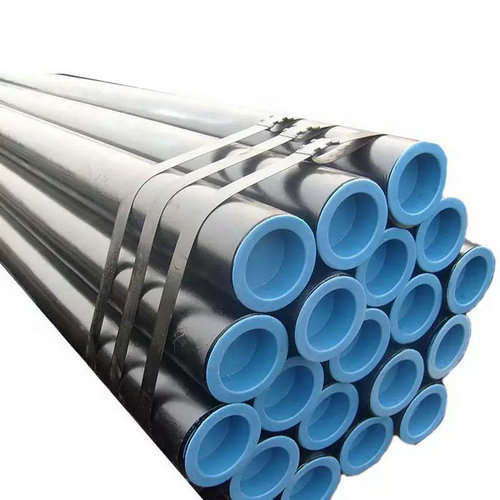
Destination inspection problems usually fall into four groups: documentation mismatch, marking and traceability problems, packing or transport damage, and specification mismatch. Documentation mismatch happens when the MTC, packing list, or invoice does not align with the actual goods. Marking problems occur when heat numbers or item descriptions cannot be linked to the bundles. Packing damage shows up as crushed ends, coating damage, or rust beyond the buyer's expectation. Specification mismatch happens when the goods do not match the PO in standard, size, schedule, or finish.
Buyers working with first-time suppliers or mixed orders from the carbon steel pipe catalog should assume that any one of these zones can create a destination delay if not reviewed before shipping. The more mixed the cargo, the greater the risk of clerical or marking error.
Why These Problems Are Often Missed Up Front
The most common reason is timing pressure. Buyers rush to book cargo space and treat the final review as a paperwork step instead of a shipment-control step. Another reason is divided responsibility. One team checks price, another checks documents, and nobody checks whether the physical goods, labels, and papers all describe the same line item. This is why even experienced importers still face preventable claims. The problem is usually coordination, not technical complexity.
Reviewing supplier history also matters. References such as how to choose a carbon steel ERW supplier are useful because supplier discipline strongly affects whether small issues are caught at origin or become destination problems.
How Buyers Can Reduce Destination Risk
- Cross-check the PO, MTC, bundle tags, and packing list before shipment.
- Review photos of markings, ends, and bundle condition before loading.
- Confirm that mixed sizes and standards are segregated correctly.
- Ask how rust protection and end protection were handled for ocean transit.
- Use third-party inspection only where the shipment risk justifies it.
Many buyers improve outcomes simply by holding one final shipment review before release: documents, marking photos, packing photos, and line-item count on one checklist. That short meeting forces everyone to compare the same shipment picture instead of assuming another department already checked it. Small coordination habits like that prevent disproportionately large destination delays.
These actions are straightforward, but they prevent the most common acceptance failures. They also create better evidence if a claim still occurs, because the buyer can show what was reviewed and what condition was expected.

Most Destination Failures Are Preventable
Baobin Steel can help buyers organize pre-shipment review around documents, markings, and packing rather than treating those items as secondary to the steel itself. That is especially valuable for importers managing mixed orders or first-time transactions. Good destination performance starts with control at origin.
When carbon steel pipe fails at destination inspection, the cause is usually visible in hindsight. Buyers who review documentation, marking, packing, and specification as one package have a much better chance of keeping the cargo moving and the project on schedule.
Many buyers improve outcomes simply by holding one final shipment review before release: documents, marking photos, packing photos, and line-item count on one checklist. That short meeting forces everyone to compare the same shipment picture instead of assuming another department already checked it. Small coordination habits like that prevent disproportionately large destination delays.