
Compressed air systems are often discussed as if carbon steel pipe has been fully replaced by newer materials, but that is not true in every project. Black carbon steel pipe still makes commercial and practical sense in many compressed air installations, especially where the site already works with steel, the layout is industrial, and cost discipline matters. The key is to decide with full awareness of pressure, moisture control, corrosion exposure, and maintenance expectations instead of assuming that one material fits every air system by default.
Why Black Pipe Remains Relevant
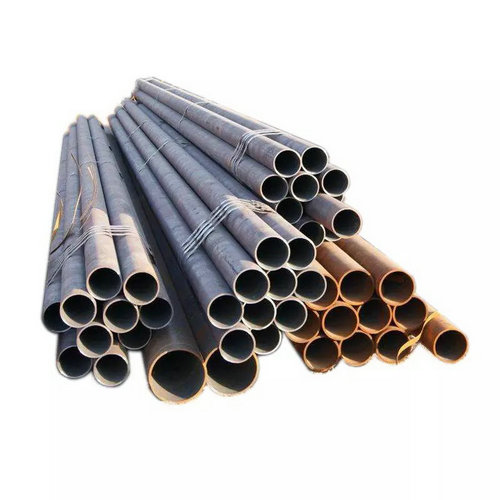
Black carbon steel pipe is strong, familiar to many installers, and widely available in sizes and schedules that fit industrial compressed air layouts. Buyers can source standard items from the carbon steel pipe catalog without needing a specialty material route for every job. In plants where welding, threading, and steel supports are routine, black pipe often integrates naturally with the rest of the utility infrastructure. That can keep procurement and installation simple.
The main caution is internal condition. Compressed air systems that carry moisture or face poor drainage and maintenance can suffer from internal corrosion or contamination over time. That is why buyers must consider system design and maintenance practice together with the pipe material choice.

When It May Not Be the Best Option
If the system is highly sensitive to contamination, requires very low maintenance, or operates in conditions where corrosion management is weak, black carbon steel pipe may not be the ideal choice. The point is not that black pipe is outdated, but that air-system performance depends heavily on drainage, filtration, and moisture control. Buyers should therefore judge the whole system, not only the pipe price per ton.
It also helps to consider installation method. Threaded systems, welded systems, and prefabricated headers each create different practical demands. A buyer who ignores the joining method can end up with a pipe choice that is technically usable but commercially inefficient for the contractor.
A Better Buying Checklist for Air Systems
- Confirm operating pressure and moisture-management conditions.
- Decide whether contamination sensitivity is high or moderate.
- Match the pipe choice to the planned joining method.
- Review whether black finish is acceptable for storage and service conditions.
- Compare lifecycle maintenance, not just initial purchase cost.
If black pipe is selected, the rest of the system should support that choice with proper sloping, drainage, filtration, and maintenance access. Pipe material alone does not determine compressed-air performance. Buyers who review the utility system as a whole are much more likely to get the long-term value they expected from the steel purchase.
Where plant buyers compare several utility materials, they often cross-check the decision against overall pipe material selection guidance before committing to black steel.
This checklist helps buyers decide whether black carbon steel pipe remains a smart commercial option for the actual site instead of following general market trends without context.
Old Material Does Not Mean Wrong Material
Baobin Steel can support buyers with carbon steel pipe options for industrial utility systems, along with export packing and mixed-size delivery planning where a plant project includes more than one service line. That helps buyers compare steel realistically against alternative materials rather than by assumption alone.
Black carbon steel pipe still makes sense in many compressed air systems. Buyers who evaluate pressure, moisture, maintenance, and installation practice together will know when it remains the right choice.
If black pipe is selected, the rest of the system should support that choice with proper sloping, drainage, filtration, and maintenance access. Pipe material alone does not determine compressed-air performance. Buyers who review the utility system as a whole are much more likely to get the long-term value they expected from the steel purchase.
Where plant buyers compare several utility materials, they often cross-check the decision against overall pipe material selection guidance before committing to black steel.