
Steam lines are one of the clearest examples of why buyers should not treat all carbon steel pipe as interchangeable. A general-purpose commercial pipe may look suitable at first glance, but steam service introduces temperature, pressure, and operational reliability concerns that demand a more disciplined choice. This is why ASTM A106 Grade B appears so often in steam-line purchasing. It offers a standard language that aligns more naturally with pressure and elevated-temperature service than a more general commercial pipe description.
Why Steam Service Deserves a Stronger Standard Basis
Steam systems operate in conditions where temperature, pressure variation, and downtime risk make specification discipline more important. Buyers reviewing ASTM A106 Grade B seamless pipe are usually trying to reduce uncertainty, not just buy a different product label. The commercial value of A106B in steam work comes from the way it fits common engineering expectations for higher-temperature pressure service. General-purpose pipe may still serve many ordinary uses well, but steam lines are usually not the place to save money by being casual about the standard.
The correct decision still depends on the actual service condition and project requirements. Procurement should not upgrade every utility line to A106B out of habit. But once the service is genuinely steam or high-temperature pressure duty, the case for A106B becomes much stronger.
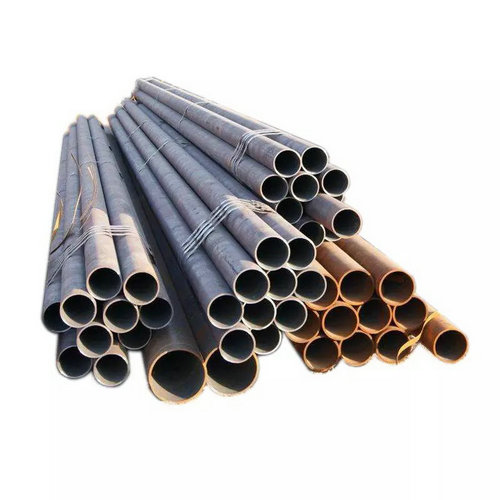
Where Buyers Make Costly Mistakes
The biggest mistake is assuming that a general pipe standard can be substituted freely into steam service because the size and wall look similar. The second is the reverse mistake: specifying A106B on every line item in a mixed utility package without checking which lines truly need it. Both errors waste money in different ways. Good steam-line procurement separates the real steam or higher-temperature lines from the ordinary services around them and buys each line to its true duty.
It also helps to compare the standard against the intended use, not just against stock availability. A familiar stock item is not always the safest commercial choice when the service is more demanding.
How to Buy Steam-Line Pipe More Safely
- Confirm actual steam or elevated-temperature duty before issuing the RFQ.
- Use A106B when the service and project documents justify it.
- Separate steam lines from general utility lines in the purchase package.
- Check end finish, schedule, and documentation along with the standard.
- Do not rely on visual similarity between pipes to judge suitability.
Buyers should also think about cycling service, startup conditions, and the consequence of downtime if the line serves critical steam distribution. In those cases, the safer standard choice is often justified by operating risk rather than by metallurgy alone. Steam-line purchasing should always connect the material decision to process reliability.
It is also useful to compare the order against broader material-selection rules for steel pipe when the project includes both hot and ordinary utility services.
This approach keeps the order technically aligned while controlling cost more intelligently. It also makes supplier comparison easier because each line item is priced on the right service basis.
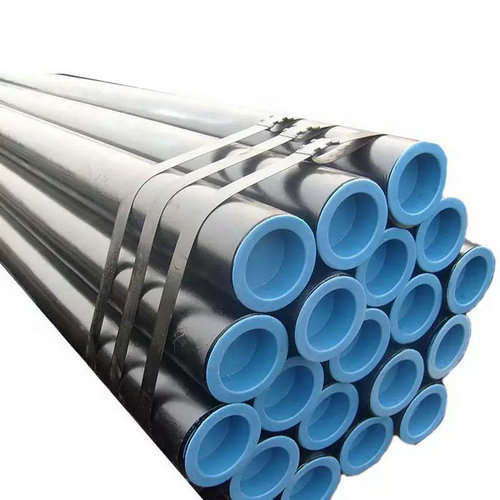
Service Condition Should Lead the Purchase
Baobin Steel can help buyers compare A106B and more general carbon steel pipe options so mixed utility and steam packages are specified more clearly before ordering. That is useful for project teams trying to balance safety, approval, and commercial control in the same purchase.
When the service is truly steam, A106B is often the safer and more defensible choice. Buyers who let service condition drive the specification are far less likely to regret the pipe standard later.
Buyers should also think about cycling service, startup conditions, and the consequence of downtime if the line serves critical steam distribution. In those cases, the safer standard choice is often justified by operating risk rather than by metallurgy alone. Steam-line purchasing should always connect the material decision to process reliability.
It is also useful to compare the order against broader material-selection rules for steel pipe when the project includes both hot and ordinary utility services.