
Pipe markings often look like a minor shipping detail, but they are one of the fastest ways to confirm whether the cargo can be received, traced, and distributed correctly. Marking, stenciling, and bundle tags connect the physical pipe to the purchase order and the supporting documents. If that connection fails, even correct material can be delayed in the warehouse or rejected by the end user. Buyers who check markings before delivery save time because the review is simple and the consequences of ignoring it can be surprisingly large.
What Buyers Should Expect to See
The exact marking content depends on the standard and the agreement, but buyers usually expect a combination of standard, grade, size, schedule or wall information, heat number or batch number, and supplier identification. Bundle tags should support the same traceability at the package level. The markings do not need to be beautiful, but they do need to be legible, durable enough for the transport route, and consistent with the paperwork. This is especially important on products such as seamless carbon steel pipe where certificate traceability matters downstream.
For mixed orders, bundle tags become even more important because the receiving team may sort dozens of similar-looking pieces by standard or schedule. If tags are missing or unclear, the risk of mixing material rises quickly.
The Most Common Marking Problems
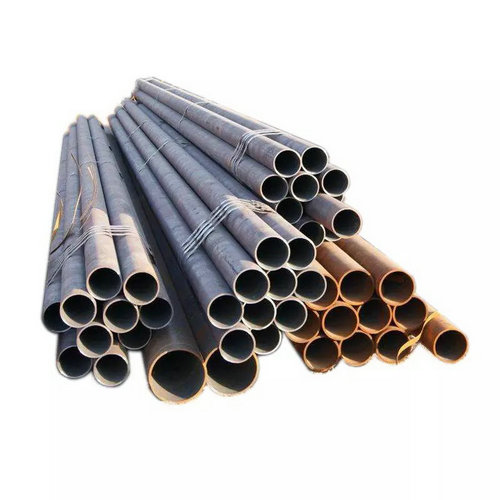
Typical issues include missing heat numbers, incomplete size information, labels that fall off during transit, markings that do not match the MTC, and mixed bundles that carry only one generic tag. Another common problem is that the supplier marks the pipe correctly at origin, but repainting, wrapping, or rough handling makes the information unreadable before arrival. Buyers should review sample photos before loading rather than assuming the marking will survive the journey.
This is also where warehouse planning matters. If the goods will be redistributed after import, the original bundle identification may not be enough. Buyers should decide whether extra tags or customer-specific labels are needed before the cargo is packed.
A Short Marking Review Checklist
- Check that pipe stenciling matches the PO and MTC.
- Confirm each bundle has its own readable tag.
- Review how markings are protected during wrapping and transport.
- Make sure mixed line items are tagged separately.
- Ask for photos of marking and bundle tags before release.
For buyers supplying distributors or contractors who use their own stock codes, it may also be worth adding customer part numbers or translated bundle descriptions before shipment. That small extra step can speed receiving and reduce the chance that a technically correct bundle is misrouted in the destination warehouse. Good marking should support the buyer's workflow, not only the supplier's.
Distributors handling mixed arrivals can also review how pipe moves through the supply chain to see why identification quality matters after the cargo leaves the mill.
These steps take little time, but they reduce receiving delays and protect traceability after arrival. If there is a dispute later, clear pre-shipment evidence of the bundle identification also strengthens the buyer's position.
Marking Is Part of Delivery Quality
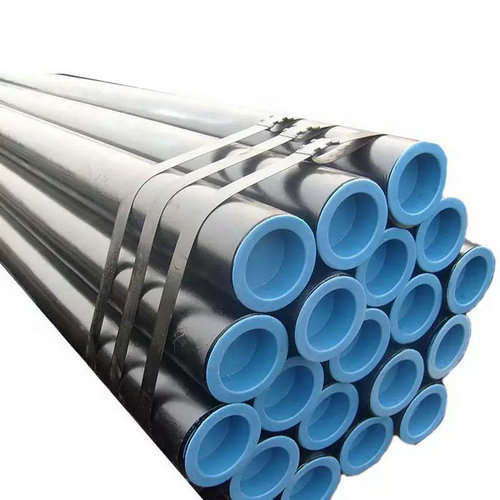
Baobin Steel can help buyers coordinate pipe markings, bundle tags, and document matching before shipment so the cargo stays easier to receive and redistribute after import. That is useful for wholesalers, EPC buyers, and traders who need the package to remain traceable after unloading, not just when it leaves the mill.
Marking, stenciling, and bundle tags are not administrative extras. They are part of product control. Buyers who review them before delivery reduce confusion, protect traceability, and make the receiving process more predictable.
For buyers supplying distributors or contractors who use their own stock codes, it may also be worth adding customer part numbers or translated bundle descriptions before shipment. That small extra step can speed receiving and reduce the chance that a technically correct bundle is misrouted in the destination warehouse. Good marking should support the buyer's workflow, not only the supplier's.
Distributors handling mixed arrivals can also review how pipe moves through the supply chain to see why identification quality matters after the cargo leaves the mill.