
Container planning is one of the most practical parts of export pipe business, yet it is also one of the easiest places to make expensive mistakes. Buyers often ask a simple question: how many tons of carbon steel pipe fit in a 20GP or 40HQ container? The honest answer is that there is no single tonnage figure that suits every order. The loading result depends on pipe size, wall thickness, length, bundle arrangement, dunnage, and destination handling requirements. A buyer who treats container loading as a flat number instead of a size-by-size planning exercise may underestimate freight cost or waste valuable space.
Why the Same Container Can Carry Very Different Pipe Loads
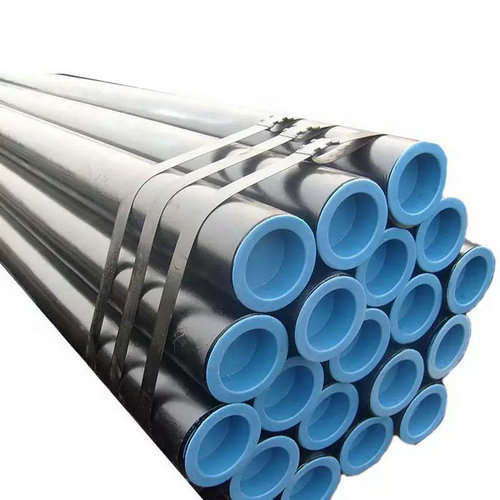
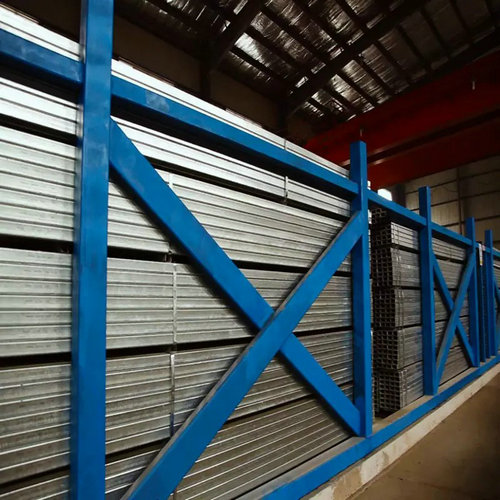
Weight limits matter, but geometry matters too. Heavy-wall pipe may reach the container's practical weight limit before the space is full. Light-wall or long-length pipe may run out of usable loading geometry first. Bundle shape, piece length, and whether the order mixes several sizes all influence the result. Buyers using seamless carbon steel pipe in one shipment and structural hollow sections in another should not expect the same loading efficiency from both orders, even if the gross tonnage looks similar on paper.
That is why experienced exporters calculate both weight and fit. A container that can legally carry a certain weight still may not load efficiently if the pipe lengths or bundle dimensions create void space. Conversely, a load that looks neat on paper can become overweight if the wall schedule is thicker than the buyer allowed for.
What Buyers Should Review Before Booking
Start with the real pipe list: diameter, wall, length, quantity, and bundle style. Then estimate theoretical weight and compare it with the practical loading limit for the selected container route. Mixed-size orders should be grouped carefully so small items do not disappear into poor loading patterns around larger bundles. Buyers also need to check whether the destination has restrictions on gross weight or unloading method that effectively reduce the usable load.
For some orders, a 20GP makes more sense because it handles dense cargo better. For others, a 40HQ works better because the order is volume-sensitive rather than weight-sensitive. There is no universal best container; the right choice depends on the shape of the order, not only the total tons required.
A Practical Loading Checklist
- Calculate theoretical weight by size and schedule before booking.
- Check whether length and bundle geometry allow efficient loading.
- Separate dense heavy-wall items from light long-length items when planning.
- Review destination restrictions and unloading capability.
- Ask the supplier for a real loading suggestion instead of relying on a generic tonnage number.
If the load includes heavier line-pipe items, buyers should compare the geometry of API seamless pipe bundles separately from lighter structural sections.
These checks help buyers choose the right container type and avoid last-minute freight changes. They also improve quote accuracy, because ocean freight and inland transport can move sharply if the actual loading plan changes after production.
Loading Efficiency Is Part of the Buying Decision
Baobin Steel can support buyers with weight estimation, bundle planning, and export packing suggestions before the shipment is booked. That is useful for wholesalers and project buyers who need to compare 20GP and 40HQ options based on real dimensions rather than habit. Good loading planning can save meaningful freight cost without changing the material itself.
The number of tons a container can carry is always a function of the pipe list inside it. Buyers who calculate both weight and geometry make better freight decisions and avoid expensive loading surprises at the final stage.
If the load includes heavier line-pipe items, buyers should compare the geometry of API seamless pipe bundles separately from lighter structural sections.