
Many pipe disputes begin after the shipment arrives and somebody measures the product with a tape, caliper, or ultrasonic gauge. The problem is that the buyer often expects exact nominal dimensions, while the standard allows tolerances around outside diameter, wall thickness, straightness, and ovality. Without understanding those tolerance rules, buyers may reject acceptable material or, in the opposite direction, accept pipe that is technically out of range for the intended service. Tolerances are therefore not a small technical note. They are part of the commercial definition of the product. Any buyer sourcing seamless carbon steel pipe or structural hollow section should know which tolerances matter most for the final use.
The Main Tolerance Items Buyers Should Watch
Outside diameter tolerance controls how the pipe fits clamps, supports, sleeves, and many fittings. Wall thickness tolerance affects pressure capacity, weight, and corrosion allowance. Straightness matters during spool fabrication, threading, and long-run installation. Ovality, the difference between maximum and minimum diameter on the same cross-section, becomes important when the pipe must mate cleanly with fittings or when automated welding is involved.
Not every job values these properties equally. A general stock order may tolerate more variation than a fabrication line that uses automated cutting and fit-up. Similarly, a structural order using A500 hollow sections may focus more on straightness and corner geometry, while a pressure-service pipe order may prioritize wall tolerance and end condition.
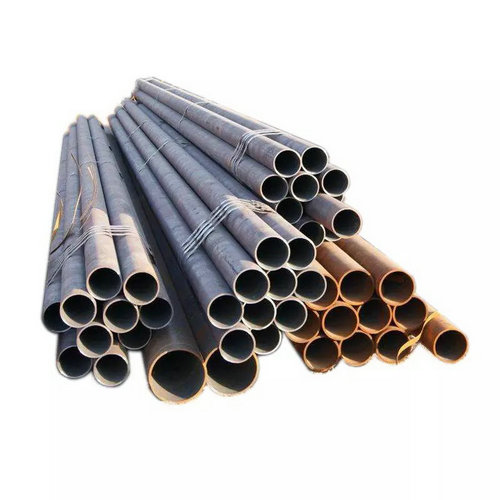
Why Nominal Size Is Not Enough
Nominal size is a designation, not a promise that every measured value will equal the nominal number exactly. Standards allow a range because production involves rolling, forming, welding, heat, and finishing operations. Buyers who forget this create unrealistic acceptance criteria, especially when they inspect the shipment without first checking the governing standard. At the same time, suppliers should not hide behind the word tolerance to avoid real nonconformity. The correct question is always whether the measured value falls within the standard and within any tighter agreement written into the PO.
This is where many claims become messy. The receiving team measures one point, finds variation, and assumes the whole lot is defective. A better approach is to inspect using the method and sampling basis defined for the product. When buyers need tighter dimensional control, that should be written before production and priced accordingly rather than argued after delivery.
Inspection Points That Prevent Disputes
- State the governing standard and any special tolerance requirement in the RFQ.
- Agree on the measuring method for wall thickness and diameter.
- Confirm whether end measurements or mid-length measurements control acceptance.
- Sample enough pieces to represent the lot instead of checking only one pipe.
- Separate cosmetic issues from dimensional nonconformity during inspection.
These steps reduce friction between buyer, third-party inspector, and supplier. They also help procurement compare offers more fairly because some mills can hold tighter tolerance than others, but that difference should be visible in the quotation rather than discovered later at destination.
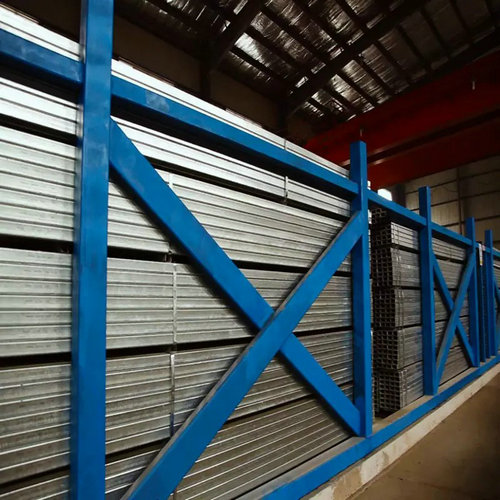
How Tolerance Knowledge Improves Buying
Buyers who understand tolerance rules write better POs, choose the right inspection method, and avoid unnecessary claims. This is especially important for wholesale orders where a small dimensional issue can affect multiple downstream customers. Baobin Steel can support buyers with mill test certificates, pre-shipment dimensional checks, and clearer communication on the applicable tolerance standard before loading. That helps prevent arguments based on nominal dimensions alone.
Pipe tolerance is where manufacturing reality meets engineering expectation. Once buyers know how OD, wall thickness, straightness, and ovality are defined, they can purchase more accurately and evaluate deliveries on a sound technical basis rather than by assumption.