
Accurate weight calculation is one of the most practical skills in pipe purchasing. Buyers use it to compare quotations, estimate freight, check bundle counts, and plan how many tons can fit into a container or truck. Yet many purchase mistakes still happen because buyers rely on rough assumptions instead of a proper formula. For carbon steel pipe, weight is controlled mainly by outside diameter, wall thickness, material density, and ordered length. If even one of these inputs is wrong, the buyer may underestimate freight, overload a container plan, or compare two supplier offers on the wrong basis. Whether you are buying standard stock from the mild steel pipe catalog or project pipe by exact schedule, weight should be verified before the PO is released.
What Inputs You Need
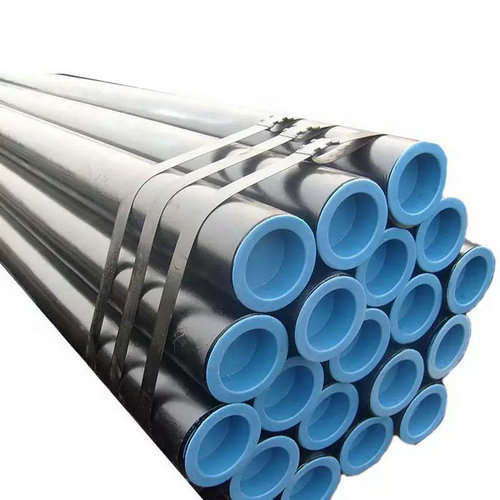
The essential data points are OD, wall thickness, total length, and steel density. In commercial practice, density is usually taken as about 7.85 g/cm3 for carbon steel. Once OD and wall thickness are known, the cross-sectional steel area can be calculated, then converted into weight per meter or foot. Buyers do not always need to perform the full theoretical derivation themselves, but they do need to confirm that the supplier's weight table matches the ordered schedule and standard. This is especially important when comparing products such as API 5L seamless pipe across different wall schedules.
One of the easiest errors is to estimate by outside diameter only. That ignores wall thickness, which can change total tonnage significantly. Another error is to calculate theoretical weight correctly, then forget to account for bundle tolerance, packing material, or the fact that the shipment includes mixed sizes with very different meters-per-ton ratios.
Why Weight Matters Beyond the Mill Quote
Pipe is usually sold by ton, but projects consume it by piece and by length. That creates a gap between the commercial unit and the installation unit. A buyer may receive a competitive per-ton price yet still overspend if the selected wall schedule makes the freight too high or reduces the useful length per ton. Weight also drives loading plans. If you underestimate tonnage, you risk rebooking freight or splitting the shipment. If you overestimate it, you may miss a chance to consolidate sizes more efficiently.
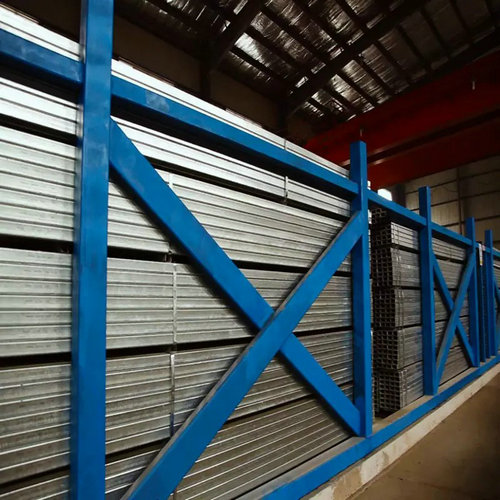
Structural sections present another trap. Buyers sometimes compare round pipe weight directly with SHS or RHS without adjusting the section geometry. If the order also includes A500 square hollow section, the calculation method must reflect the actual shape and wall dimensions rather than a nominal pipe table.
A Practical Estimating Workflow
- Confirm OD and wall thickness from the standard or supplier table.
- Calculate or verify the weight per meter for each line item.
- Multiply by piece length and ordered quantity.
- Add a small allowance for packing and handling if freight planning requires it.
- Group mixed sizes separately so the container plan reflects the real weight distribution.
This workflow is simple, but it prevents three expensive problems: underquoting freight to your customer, ordering the wrong quantity because you confused pieces with tons, and running into loading limits after production is already complete. Many experienced wholesalers keep a reference sheet by size and schedule, but they still cross-check the figures whenever an order combines unusual lengths or special wall thicknesses.
Why Buyers Should Verify Supplier Tables
Most mills and traders provide weight tables, and those tables are useful. However, buyers should still verify the basis: is the weight theoretical or actual? Does it reflect the ordered schedule? Does it assume random length or fixed length? Are the bundles mixed with accessories or protectors? These details affect landed cost. Baobin Steel can help buyers compare theoretical weight, estimated loading capacity, and export packing for mixed-size orders before shipment, which is particularly helpful when freight cost is moving quickly.
In the end, weight calculation is not just a math exercise. It is how procurement connects material selection to shipping reality. Buyers who know their tonnage before they place the order negotiate better, book freight more confidently, and avoid unpleasant surprises when the cargo is ready to move.