
Greenhouse frames, solar supports, and agricultural structures often look simple, but the wrong steel specification can shorten service life or complicate installation. Buyers in this segment usually care about cost, corrosion protection, structural practicality, and supply consistency more than they care about complex pressure-service standards. The most important question is not whether the product is called pipe or tube. It is whether the section, finish, and dimensions fit the outdoor environment and the way the structure will actually be assembled in the field.
What Usually Matters Most in These Applications
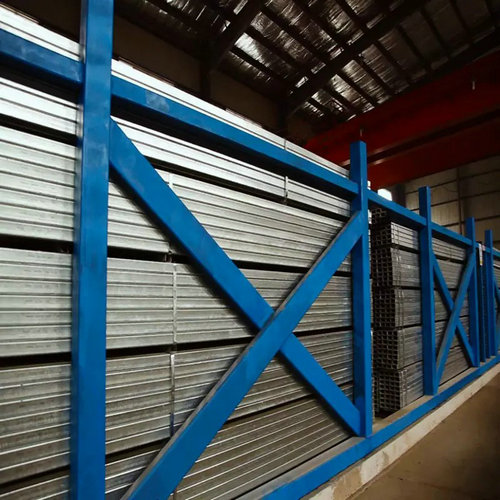
Corrosion protection is usually high on the list because these structures often live outdoors for years with limited maintenance. Galvanized products such as galvanized square and rectangular steel tube are often attractive for that reason. Section shape also matters. Round pipe may suit some arches, posts, or driven members, while square and rectangular hollow sections can make bolting, bracing, and cladding alignment easier. Buyers should start from the frame geometry and exposure level instead of from a generic steel stock list.
Another common issue is dimensional consistency. Agricultural and solar projects often use repetitive connections and large quantities of identical pieces. That makes tolerance, length control, and coating consistency more important than buyers sometimes expect.

How Buyers Should Decide Between Round and Hollow Section
Round pipe works well when the structure benefits from curved form, simpler driven installation, or standard round connections. Hollow sections such as A500 square pipe often work better when flat-face connections, repetitive bracing, or modular assembly are important. The wrong choice may still stand up, but it can add labor, extra brackets, or avoidable maintenance later.
Buyers should also think about how the goods will be installed. Field-friendly sections and finishes can save far more money than squeezing the last few dollars out of the mill price. In agricultural work, practicality usually beats theoretical optimization.
A Specification Checklist for Outdoor Light Structures
- Review corrosion exposure first and choose finish accordingly.
- Match section shape to the connection and assembly method.
- Confirm length and tolerance for repetitive frame work.
- Check whether the structure benefits from galvanized rather than black steel.
- Separate architectural appearance needs from pure utility needs.
Fastener compatibility and seasonal exposure deserve attention too. Outdoor light structures often rely on repetitive bolted details, and poor alignment between section choice and connection hardware can slow assembly across hundreds of pieces. Buyers who think through corrosion, connection speed, and maintenance together usually get better long-term results from the same steel budget.
This checklist helps buyers keep the order tied to the structure's real use instead of copying a generic pipe standard from unrelated industrial work.
Practical Specs Usually Deliver Better Structures
Baobin Steel can support greenhouse, solar, and agricultural buyers with both round carbon steel pipe and structural hollow-section options, along with export packing for mixed-size shipments. That is useful when one project needs a combination of driven posts, braces, and framed members rather than a single product family.
In these applications, the best specification is the one that balances corrosion resistance, easy assembly, and reliable supply. Buyers who focus on those three points usually choose much better steel for the job.
Fastener compatibility and seasonal exposure deserve attention too. Outdoor light structures often rely on repetitive bolted details, and poor alignment between section choice and connection hardware can slow assembly across hundreds of pieces. Buyers who think through corrosion, connection speed, and maintenance together usually get better long-term results from the same steel budget.