
For international buyers, carbon steel pipe size language causes more quoting mistakes than almost any other part of the specification. A purchaser may ask for a 2-inch pipe, a contractor may mention DN50, and a fabricator may only care about the outside diameter and wall thickness. All three may be talking about the same product, but not always. Buyers comparing carbon steel pipe products from different countries need a clean way to translate between imperial and metric systems before they issue an RFQ.
What the Four Size Terms Actually Mean
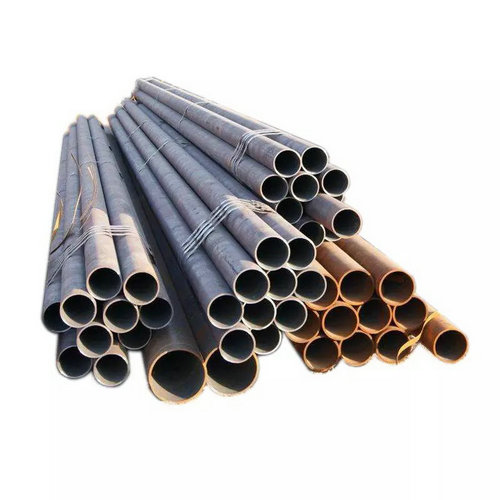
NPS stands for Nominal Pipe Size. It is a naming system, not a direct measurement, and for many common sizes it does not equal the actual outside diameter. DN stands for Diameter Nominal, the metric naming system commonly used on drawings outside North America. OD is the true outside diameter of the pipe, and this is the measurement that matters for clamps, supports, and many fittings. ID is the inside diameter, which changes whenever wall thickness changes. That is why a buyer looking at ASTM A106 seamless carbon steel pipe cannot treat NPS, OD, and ID as interchangeable terms.
A simple example shows the problem. NPS 2 pipe has an OD of 60.3 mm, not 50.8 mm. DN50 is the common metric designation for roughly the same pipe family, but the actual bore depends on the schedule. If the same NPS 2 pipe is ordered in Schedule 40 or Schedule 80, the OD stays the same while the ID becomes smaller as the wall gets thicker. In other words, NPS and DN tell you the pipe family, OD tells you the envelope, and schedule controls the wall thickness and the flow area.
Why Size Confusion Creates Real Purchasing Problems
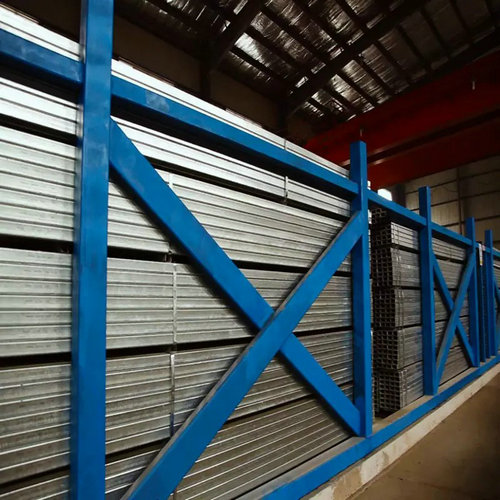
In practice, size confusion usually appears in three places. First, buyers request fittings based on DN while the pipe supplier quotes by NPS and schedule. Second, freight calculations are made from OD and approximate length, but the final tonnage changes once the real wall thickness is confirmed. Third, some structural buyers compare round pipe with hollow sections without converting dimensions correctly. If your project also includes ASTM A500 square structural pipe, the quoting method may shift from nominal pipe sizing to direct section dimensions such as 100 x 100 x 6 mm. Treating those two systems as if they are the same creates confusion in both drawings and procurement.
Another common mistake is assuming the inside diameter is a fixed number for flow calculations. It is not. Flow capacity, pressure drop, and pigging clearance all depend on the actual wall. That is why serious RFQs should always state the nominal size, the wall schedule, and the standard together. A buyer who only writes 4-inch carbon steel pipe leaves too much room for interpretation. A better line would be NPS 4, Schedule 40, ASTM A106 Grade B, plain end, random length. That one sentence prevents multiple rounds of clarification.
Common International Order Mistakes
- Using DN as if it were the exact inside diameter.
- Comparing prices by OD only and forgetting the effect of schedule on weight.
- Mixing round pipe terminology with SHS or RHS terminology in the same RFQ.
- Leaving out end finish, length range, and the governing standard.
- Ordering pipe first and only later checking whether flanges and elbows were sized to the same system.
A Practical RFQ Checklist
The most reliable approach is to standardize the wording before you ask for quotes. State whether the project follows imperial or metric conventions. Confirm whether the line item is round pipe or structural hollow section. Add the full material standard, required schedule or wall thickness, end condition, coating, inspection needs, and length tolerance. If your project mixes line pipe, structural pipe, and general service pipe, split those items instead of grouping everything under one generic pipe heading.
For buyers managing exports, this is where an experienced supplier adds value. Baobin Steel can help cross-check mixed NPS and DN requests, prepare clearer packing lists, and match the quoted pipe with the right accessories before shipment. That reduces avoidable back-and-forth and keeps the order commercially clean from RFQ to final delivery.
When everyone on the project uses the same size language, pricing becomes faster and installation becomes safer. NPS, DN, OD, and ID are all useful terms, but they solve different problems. Buyers who understand that distinction make better decisions, compare suppliers more accurately, and avoid the hidden costs that come from ordering the wrong pipe family in the first place.